




Comparison of energy efficiency of sheet metal and canvas halls
|
Choosing a hall is not an easy matter. If you are considering energy efficiency, you have the choice of a sheet metal or canvas hall. But which is better? In this article, we will focus on comparing sheet metal and canvas halls in terms of thermal insulation, heating options and energy costs.
Thermal insulation and heat loss
Sheet metal halls are known for their solid construction and durability. However, the sheet metal itself has low insulation properties, which means that without additional insulation, significant heat loss can occur. Not only is the construction of the sheet metal hall itself financially demanding, it also needs to be additionally insulated if it is to retain heat. Insulating materials such as mineral wool or sandwich panels are often used to improve thermal insulation. However, these solutions increase the initial investment costs and can extend the construction time.
Tarpaulin halls use high-quality, heavy-gauge PVC tarpaulins that provide better insulation properties and provide a natural barrier against heat loss. These tarpaulins are designed to minimize heat loss. Thanks to this, tarpaulin halls can achieve better insulation properties without the need for additional insulation materials, which contributes to their energy efficiency. At the same time, they ensure high weather resistance and a long service life.
Heating, energy costs and return on investment
Heating options
- Sheet metal halls: Due to their construction, various heating systems can be implemented, such as hot air units, gas infrared heaters or underfloor heating. However, due to potential heat losses, it is essential to ensure high-quality insulation in order to achieve efficient operation.
- Tarpaulin halls: These halls can be heated efficiently using electric heating systems with thermostats that allow precise adjustment of the desired temperature. Another option is to use insulation systems such as hanging heating panels or heating foils, which provide increased insulation and maintain a stable temperature.
Energy costs
Due to the better insulating properties of high-quality PVC tarpaulins, tarpaulin halls can achieve lower heating costs compared to sheet metal halls without additional insulation. Efficient heating solutions for tent halls, such as solar panels, can help reduce costs.
Return on investment
Tent halls represent a more affordable alternative with a faster return on investment. Lower initial costs, combined with energy savings, make tarpaulin halls an attractive option for many entrepreneurs.
Impact of external conditions
Temperature fluctuations
In Slovakia, temperature fluctuations between seasons are mild to moderate. Tarpaulin halls with PVC tarpaulin can effectively respond to these changes, maintaining a stable internal temperature. Sheet metal buildings, especially without adequate insulation, can be more susceptible to rapid temperature changes, which can affect comfort and increase heating costs.
Material durability
The PVC tarpaulins used in sheet metal buildings are extremely resistant to weather conditions, including UV radiation, rain and snow. In addition, these tarpaulins are fire-resistant, which increases the safety of the building.
Sheet metal halls are also durable, but they can be more susceptible to corrosion, especially in environments with high humidity or in areas with frequent precipitation.
Which hall is more energy efficient?
If we also take into account the initial costs when comparing the energy efficiency of sheet metal and tarpaulin halls, tarpaulin hallsare the more advantageous alternative. Thanks to PVC tarpaulins, they provide better thermal insulation, which leads to lower heating costs. Flexibility, quick construction and lower initial costs make tarpaulin halls the ideal solution for businesses looking for efficient and economical storage space.
Other articles
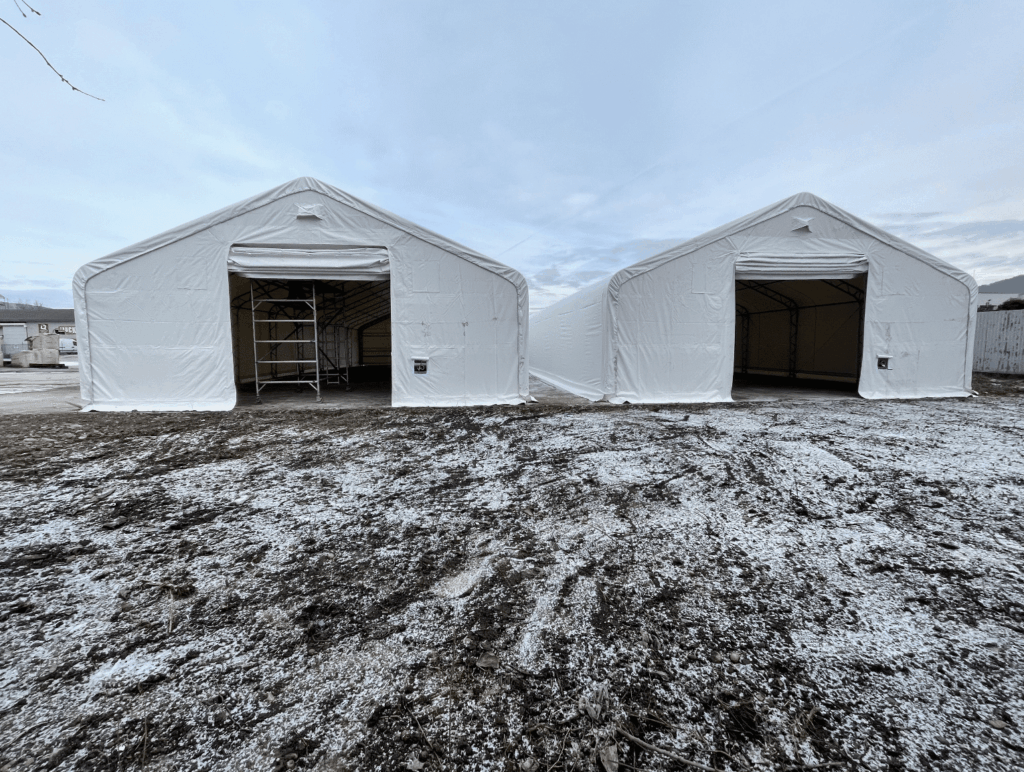
Water condensation in a tarpaulin hall: Why it occurs and how to solve it
Sometimes, in a tarpaulin hallsmall droplets…
Read more >>
Storage of building materials – What method is most suitable?
Building materials are quite expensive and…
Read more >>
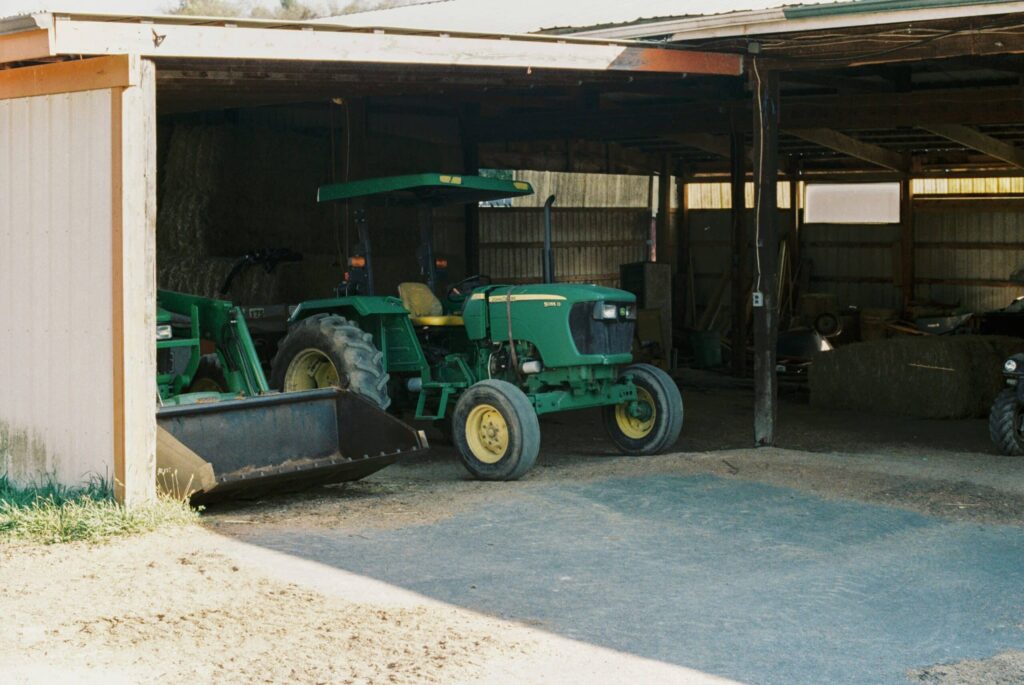
Tractor garage: How to choose the ideal solution for your equipment
Every owner of agricultural machinery knows…
Read more >>