

Inflatable halls or tarpaulin halls: Which is better?
Are you building, expanding your business…
Read more >>
Building materials are quite expensive and improper storage of building materials can damage them. This will cause problems during construction and increase the costs of repairs and the purchase of new materials. To maintain the quality and functionality of building materials, proper storage of building materials is necessary. Read the basic rules for storing building materials, the most suitable places for their storage and specific methods for individual types of materials.
Moisture is one of the main factors that can damage building materials such as wood, plaster, concrete mixtures and others. Materials should be protected from rain, snow or moisture. Some materials such as paints and plasters are sensitive to direct sunlight and should be protected from it to maintain quality.
The stability of materials is important not only for the protection of materials, but also for the safety of workers.
Materials should be stored in such a way that they are protected from impacts, damage and wear. This may include the use of packaging, protective films or pallets.
Storage should facilitate handling of the material. The material should be easily accessible for use on the construction site.

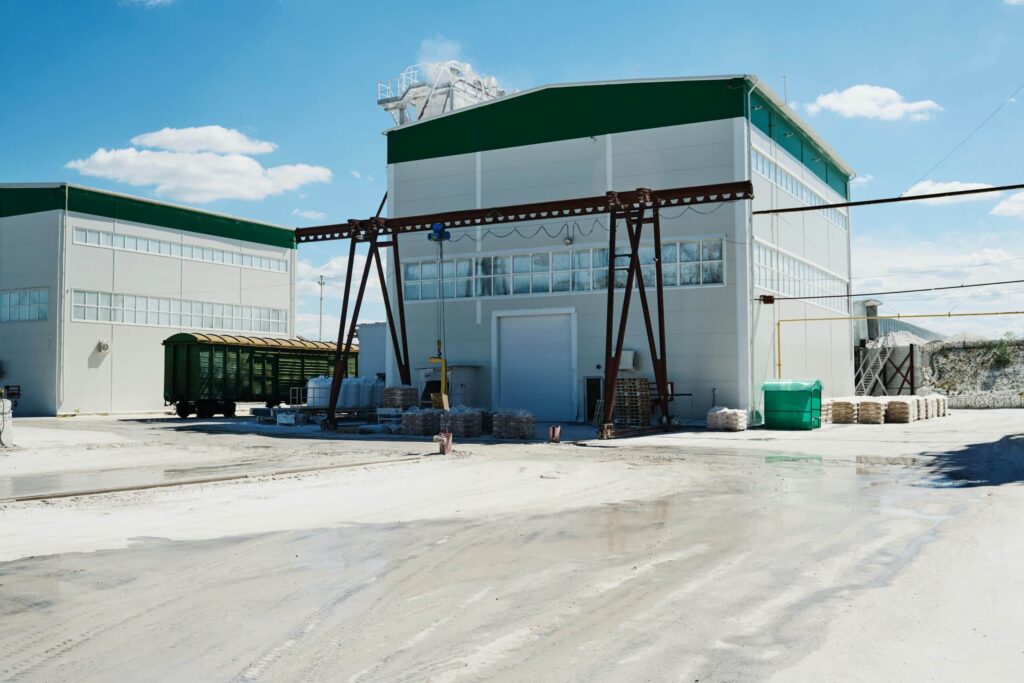
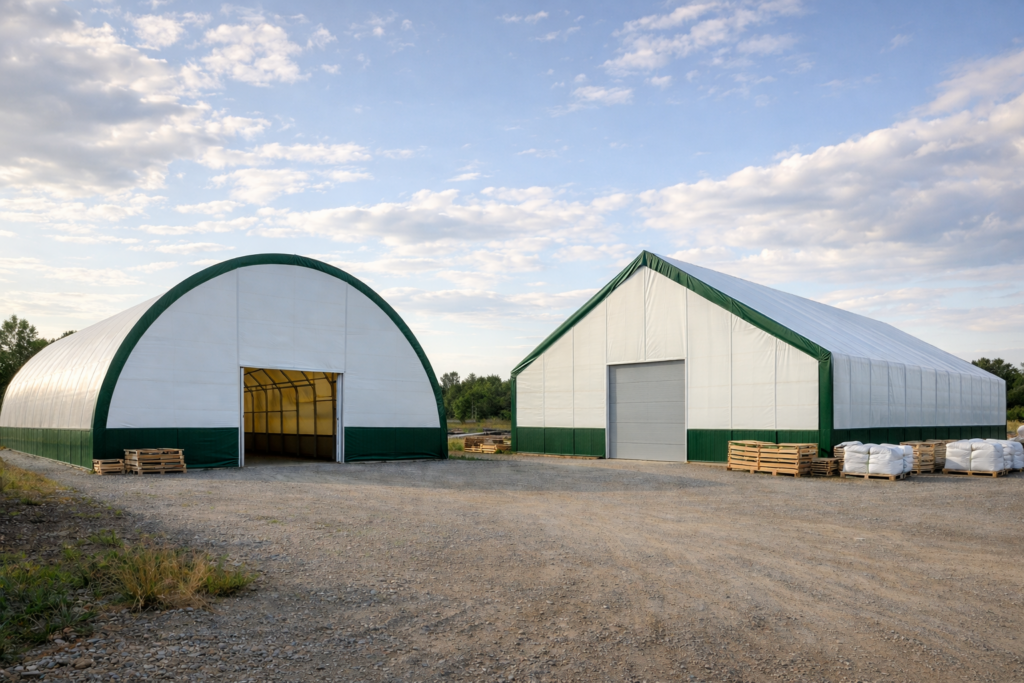
When storing building materials, it is crucial to choose a suitable storage space that will ensure the protection of the materials and at the same time allow for their efficient storage and handling. One of the best solutions for storing building materials are tarpaulin halls. These halls provide protection from weather conditions such as rain, snow and direct sunlight. They are able to provide a protective environment, which is important for sensitive materials such as plaster, paint or insulation. They are easily portable and can be quickly erected. They allow for efficient use of space and can be adapted to different types of materials. In addition, tarpaulin sheds provide a secure environment, minimizing the risk of theft and vandalism.
Masonry and concrete materials should be stored on pallets and stacked well to prevent damage. Direct sunlight or rain can damage the material, so it is advisable to store bricks, blocks or concrete products in a tarpaulin hall.
This type of material is very sensitive and packed in paper bags with foil. Its ideal storage is in a dry and protected place where there is a minimum of humidity and sunlight. We recommend storing plasters, adhesives and concrete mixtures in dry and closed areas. When storing, it is also important to follow the manufacturer’s recommendations regarding temperature and humidity.

Insulation and building foils are among the sensitive building materials. They require special storage conditions to preserve their properties and functionality. Insulating materials, such as polystyrene or polyurethane boards, should be stored in dry and clean areas, protected from moisture, mechanical damage and direct sunlight. Moisture can significantly reduce the insulating properties of these materials. It is recommended to store construction foils in rolls and protect them from UV radiation.
Installation materials, such as pipes, cables and valves, should be stored in dry and clean areas. It is important to protect them from dust and mechanical damage.
Lumber should be stored in well-ventilated areas, protected from moisture and direct sunlight. It is important to ensure that the lumber is stored evenly and stably.