




How to Keep Bees: A Complete Beginner’s Guide
|
Beekeeping is a responsible activity, a hobby, but also a way to get quality homemade honey at a bargain price. This activity requires a considerable amount of knowledge, a desire to learn, patience and plenty of free time.More and more people are thinking about how to start keeping bees,but they often don’t know when and how to start.
If you are looking for an easy way to keep bees and protect your hives from wind or bad weather, you can consider covering them with atarpaulin. It is a practical and affordable solution that is also suitable for larger yards or gardens. We have prepared this article for all those who are thinking about beekeeping and want to know how to get started – without complicated instructions, simply and clearly.

How to keep bees even without experience
The good news is that you don’t need any previous experience to get started. Many successful beekeepers started from scratch, with just a book in hand or after completing a course. To start, it is advisable to take a basic beekeeping course or at least visit a local beekeeping association. There are several organizations in Slovakia that offer training. One of them is the Slovak Beekeepers’ Association.
If you are also planning to place hives in the yard or garden, you will certainly appreciate the simple instructions: How to build a shelter near your house, which can serve as basic protection for your bees and equipment.
Basic requirements for a beginner beekeeper
How to start keeping bees? To start, we recommend that you have at least 2 to 3 hours of free time per week. The most time is needed during the season from March to September. This time includes regular inspections of the hives, monitoring the health of the colony, and seasonal tasks such as feeding or treating. You should have a general interest in nature and a willingness to learn new things. Beekeeping is not an activity that you learn once and never go back to – it is a process that requires continuous education, monitoring of new procedures, legislative changes and biological cycles of bees.
If you plan to start keeping bees, prepare a basic budget and count on an investment of around €500-700 for the first year. This amount includes the purchase of one or two hives, basic equipment (beekeeping suit, fishing rod, frames), the purchase of compartments or swarming and possibly the first costs of medicines and sugar for feeding.
If you want to place your hives in an open space, you can also consider tarpaulin sheds, which will serve as a simple and affordable shelter. However, in the long run, beekeeping can become self-sustaining or even profitable.
How to keep bees in your garden
If you have a garden, keeping bees is an ideal way to use its potential. Bees do not require much space – one hive takes up an area of approximately 0.5 m². Remember that according to Act No. 39/2007 Coll., beekeeping must be reported to the relevant regional veterinary and food administration. However, it is important to choose the right location.
Principles for choosing a location in the garden
- Protected from the wind, well lit, preferably facing southeast – The sun in the morning will encourage bees to be active, while protection from the wind will ensure stable conditions in the hive.
- Near water sources – (e.g. a bowl of water, a shallow pond or a drinking bowl with pebbles so that the bees do not drown). Water is especially important for bees during hot days – they use it to cool the hive and feed the larvae.
- Food availability – meadows, fruit trees, flowering plants in the area. Bees can fly up to 2–5 km, but the closer the sources of pollen and nectar are, the less tired they are and the higher the yields.
- At least 5 – 10 m from neighbors – for comfort and safety. This will avoid conflicts, especially if there are allergy sufferers or small children living nearby. It is also recommended to install a fence or hedge as a natural barrier to the flight of bees towards the neighbors.
How to start keeping bees – choosing hives and positions
The hive is the home of your bees – its choice will significantly affect the way it works and the health of the colony. How to start keeping bees in Slovakia? In our country, the most widespread are the so-called extension hives, of which the Langstroth type is the most common. This type is flexible, easy to handle and suitable for beginners. The location must be dry, accessible by car (for handling honey bees), ideally away from busy areas and not too remote due to theft.
For short-term protection of the bee colony or storage of accessories for honey production and processing, you can also use a shipping container, which provides a solid structure, protection from the weather and easy handling on the property.
What will you need to get started and how to start keeping bees?
- 2 to 3 hives with frames – (e.g. Langstroth ⅔, approx. €100 to €150 for one complete hive). Extension hives allow expansion as needed, are easy to transport and make it easier to collect honey. You will also need frames with partitions that the bees build for the hives.
- Beekeeping overalls and gloves from €50 to €80 – Protective clothing is essential, especially for beginners who are not yet familiar with the reactions of bees. It is advisable to choose a jumpsuit with a head net (hat) and sturdy leather gloves.
- Bee calming rod from €20 to €30 – It is used to create smoke that calms the bees and allows you to handle the frames more safely.
- Smoke machine, pads, beekeeping knife – Another approximately €50. The beekeeping knife is used to loosen the frames, the pads are used, for example, for monitoring ticks and hive hygiene.
- Purchased bee colony (swarm, section) – Price approximately €60 – €100. Most often, you start with a section that contains a young queen, several frames with brood, pollen and supplies. You can obtain a section from an experienced beekeeper or through a beekeeping association. When buying, always check the origin and health of the bees.
How to start beekeeping – Most common mistakes
Beginners make some mistakes that they often repeat and the end result can sometimes be fatal for the entire bee colony. One of the preventions can also be suitable facilities – for example, simple tarpaulin halls, which protect the hives from adverse weather.
How to start keeping bees and avoid mistakes? The most common mistake is a lack of knowledge – the basics of bee biology, recognizing brood, diseases or the complexity of seasonal work, often leading to unnecessary losses. The investment in the course will return many times over in the form of experience and practical advice. For example, beginners may interfere excessively with the hive and frequently check the bees, which reduces yields and causes stress to the colony. Another failure in beekeeping is poor hive hygiene, which causes the spread of diseases such as varroa. This disease occurs when the mats are not cleaned regularly or dirty equipment is handled in the hive, increasing the risk of parasites and infections. It is important to use the right gloves and disinfect tools. Improper placement of hives is often underestimated, as bees need light, shelter and a quiet environment outside the inhabited area. If the hives are improperly placed, the bees may be more nervous and have poorer orientation when returning to the hive.
Incorrect or late feeding of bees before winter is a serious problem.Do not postpone feeding the bee colony until too late, temperatures can drop quickly and the bees may not be able to process the supplies in time. Feeding should be done on time, most often at the end of August. 15 to 20 kg of sugar solution should be provided per bee colony.
Are you wondering where to store beekeeping tools, frames or sugar supplies? A converted shipping container will provide you with a safe and durable environment right next to your hives. An ideal solution for every beekeeper who needs a practical and lockable space. You can read more information in the article: Converted shipping container as a warehouse? We have a better solution.
The most common mistakes in beekeeping
Beekeeping brings various benefits that go far beyond the profit from honey.In addition, beekeeping is becoming increasingly popular among city dwellers.So-called urban beehives are being created on the roofs of buildings, in community gardens or parks. Let’s take a look at some of the main benefits of keeping bees:
- You always have fresh homemade honey on hand, which in case of overproduction, you can easily give to friends, family, or sell at the local market. Keep in mind that one bee colony produces an average of 15 to 25 kg of honey per year.
- Bees can increase fruit and vegetable yields by up to 30 to 70%.
- They have a strong contribution to ecology and the environment – supporting biodiversity, maintaining balance in nature.
- A great educational dimension for children and adults – they will gain real information and contact with nature.
- By-products – wax, propolis, royal jelly, pollen.
Conclusion
If you have thought about how to keep bees or how to start keeping bees in your own garden, now you have a clearer picture. This is not a hobby that you can master in a weekend, but a long-term journey of learning, observation and respect for nature. However, if you invest a little time, money and enthusiasm, the reward in the form of high-quality honey and the feeling that you are contributing to a healthy country will not be long in coming. Beekeeping, how to start? Simply – by deciding that it is worth it.
Other articles

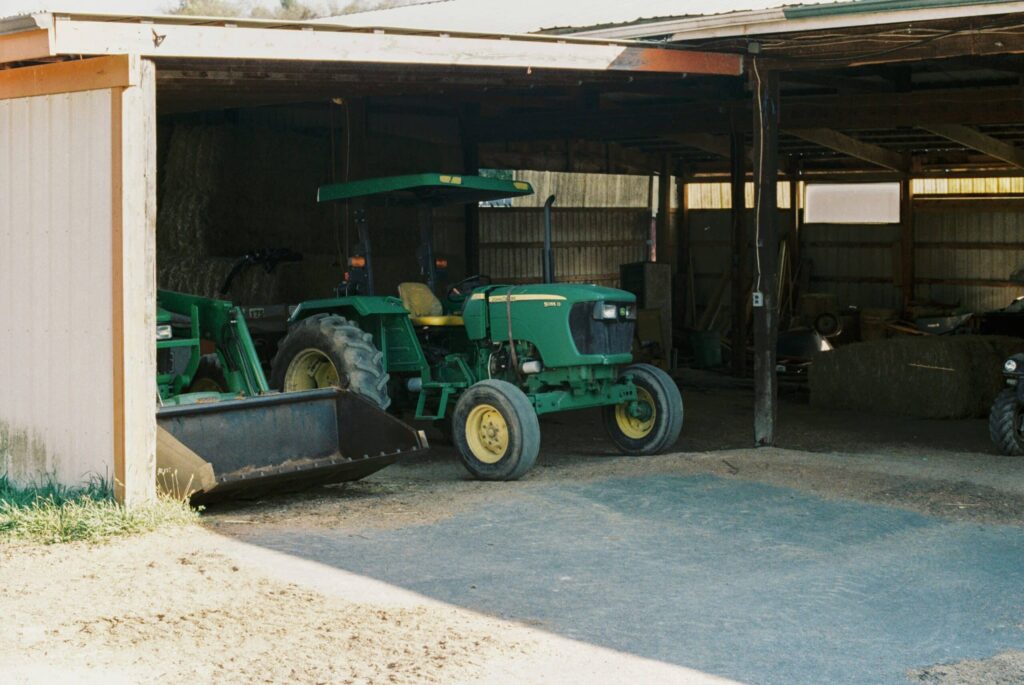
Tractor garage: How to choose the ideal solution for your equipment
Every owner of agricultural machinery knows…
Read more >>

Container transportation: How shipping containers are moved
Transporting shipping containers is a technically…
Read more >>