


When and How to Plant Potatoes: The Right Time, Depth, and Spacing
Potatoes are among the most popular…
Read more >>
A rock garden is one of the most popular garden features because it naturally combines aesthetics, functionality and low maintenance. You can create it in a small garden, by a fence, in the corner of the plot or on a slope that would otherwise be difficult to use. A well-designed rock garden functions as a stable garden element that improves the microclimate, drains excess water and significantly reduces the need for regular maintenance.The key is to properly plan the location, drainage layer, and selection of suitable stones and plants adapted to local conditions.
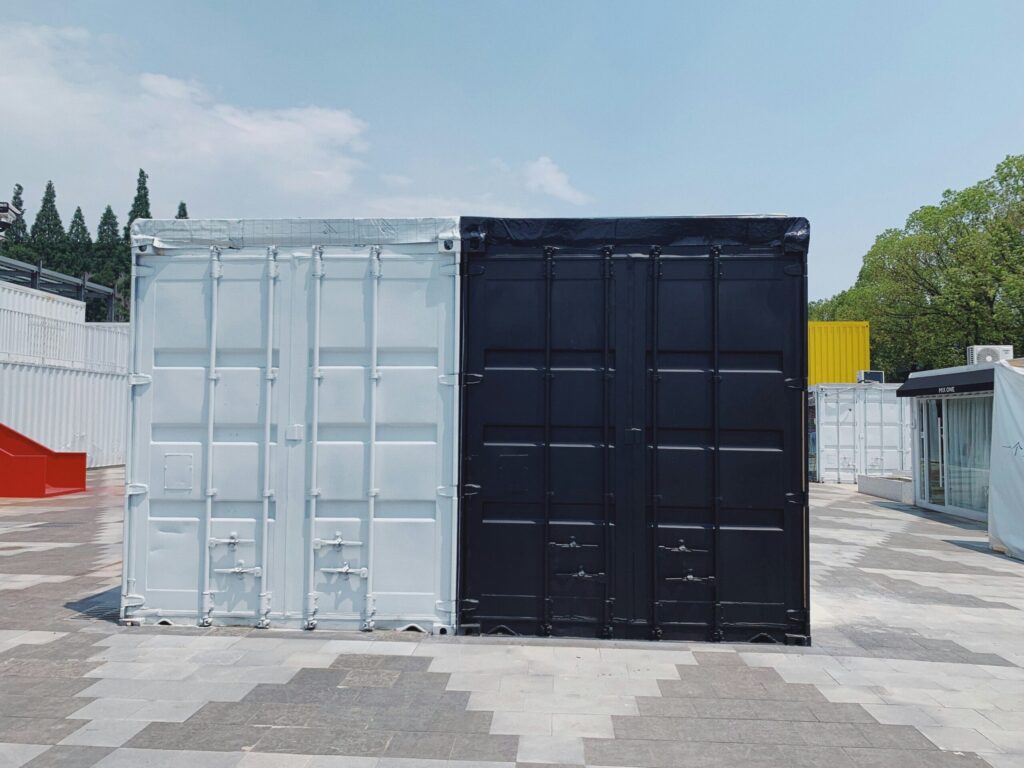
In this article, we will look at how to make a rock garden step by step, whether you decide to implement it on a flat surface, in a corner of the garden or on a slope. We will also focus on common mistakes that can be easily avoided, and we will show how a rock garden can naturally fit into the overall design of the garden and the surroundings of the house. When storing things and small tools, you may find it useful to use a tarpaulin shed or a practical ship container.

Before you even start thinking about how to make a rock garden, it’s important tofocus on preparation and planning. This phase is the most important and determines whether the rock garden will be durable, stable, functional and visually balanced even after several years.
Initially, focus on the sunlight and monitor how much light falls on the selected location during the day.Most rock gardens need at least 5 to 6 hours of direct sun, otherwise they lose their compact shape and the flowers bloom more slowly. Also consider the orientation of the land towards the south and southwest, which is the most suitable in terms of location.
Proper water drainage is just as important as light. The rock garden does not like stagnant moisture, which causes root rot. Before implementation, check how the soil reacts after rain. If water remains on the surface for more than a few hours, it will be necessary to create a drainage layer. It is at this stage that decisions are made about how to make a rock garden that will be stable in the long term.
Use simple sketches or markings on the ground to help you design. Determine the approximate height of the rock garden, the direction of the slope, and the location of the dominant stones. You will achieve a natural look if you avoid symmetry. We recommend working with an odd number of larger stones and height differences of approximately 20 cmso that the rock garden does not appear flat.
Already at the design stage, think about how to make the rock garden fit naturally into the overall design of your plot. The rock garden should connect to the paths, lawn or other functional elements of the garden and should not appear as a separate or foreign element, even if there are larger structures nearby, such as garden houses, tents or arched halls. A properly designed rock garden appears as a natural part of the terrain, not as an additional addition.
If you are considering how to make a rock garden on a flat surface, the basis is to create a slightly elevated and stable terrain. Although a flat surface seems simple, this is where drainage mistakes are most often made.
First, remove the top layer of lawn and soil to a depth of approximately 20 to 25 cm.This will create space for drainage and prevent weeds from growing into the rock garden. It is advisable to slightly compact the substrate so that it does not collapse over time.
At the bottom of the excavationlay a drainage layer of coarse gravel or aggregate at least 10 cm thick. This layer is key to draining excess water and significantly extends the life of the entire rock garden. Without high-quality drainage, even a properly designed rock garden on a flat surface will not remain in good condition.
Following the drainage is a substrate designed for rock gardens. A mixture of garden soil, sand and fine gravel in a ratio of approximately 2:1:1 is ideal. The substrate should be permeable, but at the same time nutritious enough for the plants to take root well.
Only after the subsoil has been prepared are the stones placed. Insert larger pieces at least a third of their height to make them look natural and stable, which is especially important in places where the rock garden is adjacent to utility parts of the plot or buildings, such astent halls. Place the stones so that they create gentle terraces and capture the substrate.
Preparing a rock garden in the corner of the garden has the same procedure, but the result is even more natural. A rock garden can seamlessly connect to a fence, wall or other solid element. If you are thinking about how to make a small rock garden, the corner of the plot is the ideal place. A location of 2 to 4 m², a few prominent stones and a well-thought-out layout of plants will suffice.
When building a rock garden on a slope, stability is the most important thing, because slope rock gardens are significantly stressed by rain and gravity. If you are making a rock garden on a slope, it is never enough to just place the stones on the surface.Without strengthening the subsoil, there is a risk of landslides, root erosion and rapid damage to the entire rock garden. If you are working in more challenging terrain or need to reliably strengthen a slope, a suitable solution is concrete cubes in various sizes.
It is advisable to divide the slope into smaller terraces using larger stones, which function as natural support elements. Such terracing slows down water runoff and reduces soil erosion. The stones should be placed perpendicular to the slope and embedded to at least a third of their height, while the height difference between individual levels should not exceed 30 cm.
The base is reinforced with a combination of a drainage layer of aggregate and geotextile, which prevents the substrate from washing out and weeds from growing. Only after the terrain has been stabilized can plants be planted, ideally species with a dense root system. More precise slope reinforcement techniques can be found in a separate article: Slope reinforcement: How to do it yourself and without great expense.
When choosing stones, it is recommended to stick to one type of rock for the sake of the composition and color distribution. Combining several types looks unnatural and distracting.The most commonly used are limestone, sandstone or granite, which tolerate weather conditions well. The size of the stones should correspond to the size of the rock garden. A smaller area includes smaller but distinctive pieces that form a natural dominant.
Always choose plants according to the light and soil conditions. The right combination of species is important not only from an aesthetic point of view, but also for the long-term sustainability of the rock garden. The most suitable and proven plants for rock gardens include:
When planting, leave enough space between plants. If you know how to make a rock garden, you can count on the fact that most rock gardens will grow significantly in 2 to 3 years and fill in the empty spaces naturally, which you will also appreciate in gardens where you plan to install a tarpaulin hall or a shipping container for storing tools.
A rock garden is one of the undemanding garden elements, but it is not completely maintenance-free. In spring, it is advisable to remove dry and damaged parts of plants, check the stability of the stones and replenish the soil substrate in places where it has been washed away by water. It is the spring inspection that helps prevent major problems during the season.
During the summer, watering is important, especially in the first year after planting, until the plants have developed a sufficiently deep root system. Watering should be less frequent, but abundant, so that the water penetrates deeply. Most plants (rock beds) tolerate drought better than waterlogging, so it is advisable to avoid daily watering.
Common mistakes include planting too densely, poor drainage, and using unsuitable soil, which retains moisture. Many also underestimate planning and only subsequently decide how to make a rock garden so that it holds its shape and does not look messy. Repairs are then significantly more difficult than doing it correctly from the beginning, especially if the plants are already rooted. If you are thinking about beautifying another part of your garden, read the article: Raised bed procedure: How to set it up.
It doesn’t matter if you have a large plot of land or a small garden. If you know how to make a rock garden, you can create a functional and aesthetic element practically anywhere. The key is high-quality terrain preparation, the right choice of materials and patience when planting, which can also be helped by practical solutions and inspirations available at hagro.sk. A well-designed rock garden can last 10 to 15 years without major modifications and will become a natural part of your garden.