
Sheep Breeding Permit: Legislation, Subsidies and Registration
|
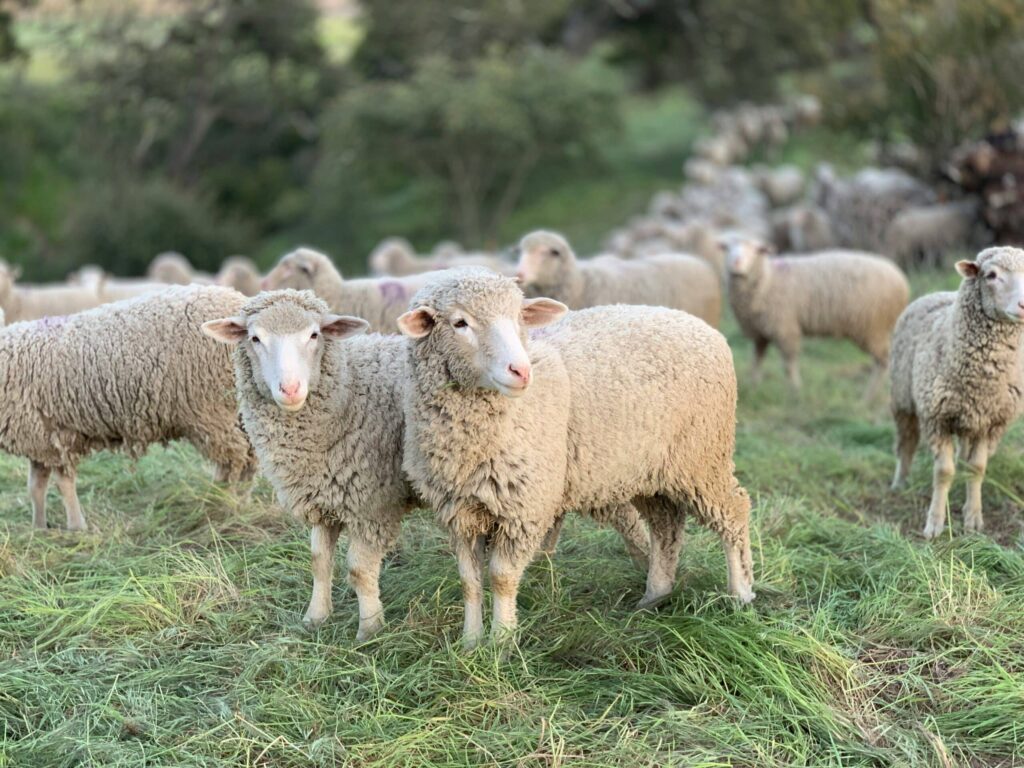
Sheep farming in Slovakia is one of the traditional and growing sectors of agriculture. Many beginning farmers are interested in what kind of permit they need for sheep farming and what is the correct procedure for registering sheep farming.
Sheep are unpretentious, adaptable animals suitable for various climatic conditions. In addition, they are suitable for the production of milk, meat and quality wool. However, if you want to start legal farming, you must have a permit and know all the legislative requirements and registration obligations related to sheep farming.
If you are planning a large-scale farming, in addition to registering sheep farming, you will certainly be interested in practical options for obtaining subsidies for farming. In the article you will learn all the necessary information on how to proceed according to the law, avoid the most common mistakes when setting up a breeding farm and why it is appropriate to use practical tarpaulin hallswhen housing animals.

Permit to breed sheep: What requirements must you meet by law
Every sheep farm in Slovakia must be registered in the Central Register of Livestock (CEHZ), which is managed by the Breeding Service of the Slovak Republic (PSSR). This register allows the state to control the movement, health and identification of animals, thereby preventing the spread of diseases and illegal trade in animals. A permit to breed sheep is required even if there are only a few units intended for personal use. Every farm (including domestic) must be registered. Each sheep is part of the livestock tracking system within the European Union.
For larger farms or seasonal animal housing, tarpaulin sheds may also be a suitable solution, providing flexible and affordable space for breeding or storing feed.
According to Act No. 39/2007 Coll. on Veterinary Care, the breeder is obliged to:
- register the breeding within 7 days of its establishment at the local competent RVPS,
- ensure the identification of each animal with an ear tag (within 20 days of birth) and add data to the CEHZ,
- keep clear records of additions, transfers, deaths or sales of animals,
- regularly report changes in the number of sheep or cancellation of breeding to the CEHZ.
This means thateven a small farmer who has, for example, only 5 sheep must be assigned a registration number and a sheep breeding permit.In addition, he must keep records and report changes. Registration of sheep breeding is a basic condition even in the case of the legal sale of lambs, milk or wool. It is equally important when drawing a subsidy for sheep breeding. If you are interested in this topic, read the article: Sheep breeding: How to start a small-scale domestic breeding.
Sheep breeding registration: Procedure and obligations of the breeder
Sheep breeding registration takes place in several detailed steps that are important for the legal functioning of the farm and obtaining all the benefitsthat the CEHZ system offers. Properly maintained registration also ensures easier communication with authorities and the possibility of drawing subsidies or support from the PPA.
Filling in an application for registration of a sheep farm
The application for registration of a sheep farm is submitted to the regional veterinary and food administration (RVPS) according to the location of the farm.A map and a drawing of the farm with the marking of housing areas, runs and access roads are attached to the application. The office may additionally request proof of ownership (title deed) or land lease (lease agreement).
Assignment of a farm registration number (CHOV)
After approval of the application for sheep breeding registration, the breeder will receive a unique number under which his breeding is registered in CEHZ. This number is used in all official communications, when buying or selling animals, and when applying for subsidies for sheep breeding.
Animal identification
Each animal must have ear tags (a set of tags + electronic chip). These tags are ordered through PSSR and are tied to a specific breeding. Marking is mandatory no later than 20 days after the lamb is born, and both tags must be placed in the ears of the same animal.
Record keeping
The breeder is required to regularly keep a record of all animals, including their date of birth, transfers, purchases, deaths, sales and veterinary interventions. This data is continuously reported to CEHZ so that the system reflects the current state of the farm.
Control by the authorities
RVPS or PSSR can carry out an on-site inspection of the farm, while monitoring the correctness of the animal’s marking, cleanliness and welfare conditions (physical and mental health, quality of the feed mixture, comfort and the possibility of natural animal behavior). If you are looking for an option where you can quickly and conveniently store feed and various accessories, a ship containermay be an ideal and quick choice. You can choose between smaller ship containers with a length of 6 m or larger ship containers with a length of 12 m.
If you avoid registering your sheep farming business, you risk a financial penalty or losing your entitlement to a subsidy. In case of repeated violations, you risk suspension of sheep breeding.
Subsidies for sheep breeding: Who is entitled and how to apply for them
Slovak sheep breeders have the opportunity to receive subsidies for sheep breeding in the form of financial support from the Agricultural Payment Agency (PPA). The most common forms of support include:
- Direct payment for ewes and gilts – This type of subsidy for sheep breeding is intended for breeders who register at least 10 ewes and meet the breeding conditions, while the animals must be properly registered and identified in the CEHZ. The amount of support is adjusted annually according to the PPA budget.
- Payment for organic sheep farming – The subsidy for sheep farming is provided to farmers who farm in accordance with organic principles and have a certificate of organic production. The condition is the prohibition of the use of synthetic fertilizers and pharmaceuticals, and adherence to natural forms of farming.
- Support for young farmers – This subsidy for sheep farming is intended for those who start sheep farming and are under 40 years of age. In addition to direct financial assistance, they can also receive preferential loans or contributions for farm development.
- Regional subsidies – These subsidies for sheep farming are mainly directed to mountainous and less favorable areas, where breeding costs are higher. These subsidies are intended to help preserve traditional farming methods and grazing on meadows, which are important for the landscape and biodiversity.
Applications for subsidies are submitted annually through the PPA portal, usually between April and May. The applicant must have an active farm, animals registered in the CEHZ and a valid farm registration number.
Basic rules for legal sheep farming in Slovakia
If you want to farm sheep legally and receive subsidies, you must comply with a set of obligations:
- register the farm in the CEHZ,
- mark each animal with an ear tag and chip,
- regular record keeping (births, transfers, sales, deaths),
- compliance with hygiene and veterinary conditions,
- providing adequate space, feed and water for animals,
- compliance with welfare standards.
According to current data, there are more than 300,000 sheep registered in Slovakia and over 3,500 active farms. Most of them are located in the mountainous areas of northern and central Slovakia, where farmers often use tarpaulin halls as a practical and affordable solution for housing animals during the winter or for storing feed.
The most common mistakes when setting up a registered sheep farm
Beginners often make recurring mistakes when setting up a sheep farm. The most common include failure to register the farm in the CEHZ, missing or incorrect ear tags, failure to keep records of animals or failure to report transfers and deaths. Many also do not realize the importance of PPA deadlines when submitting applications for subsidies, which can cause them unnecessary problems later.
Each of these mistakes can lead to a fine, loss of entitlement to financial support or removal from the register. Therefore, it is recommended that novice breeders study the legislative obligations in detail before establishing a farm and, in case of uncertainty, consult the conditions with the local RVPS or directly with the PSSR. If you also raise pigs in addition to sheep, read the article: Conditions for raising pigs: legislation, rules and nutrition.
Conclusion
Sheep raising can be an interesting and profitable industry, but only if it is carried out legally and in accordance with applicable legislation. A sheep breeding permit, proper registration and compliance with CEHZ rules are the basis for successful and transparent breeding. Thanks to them, the breeder can not only receive subsidies, but also build a stable and sustainable source of income. So, if you are planning to start your own sheep farm, start with the first step, legally registering and complying with all obligations.
Other articles

Container transportation: How shipping containers are moved
Transporting shipping containers is a technically…
Read more >>