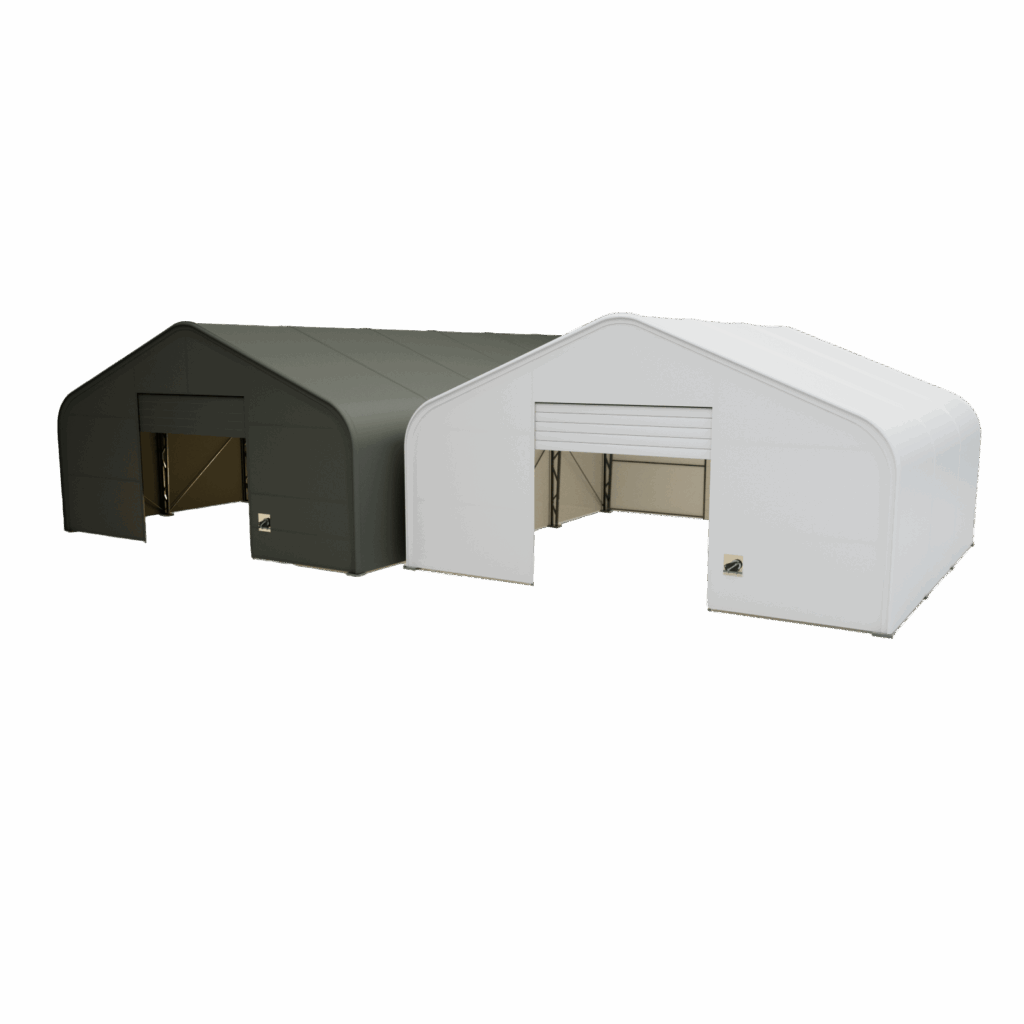
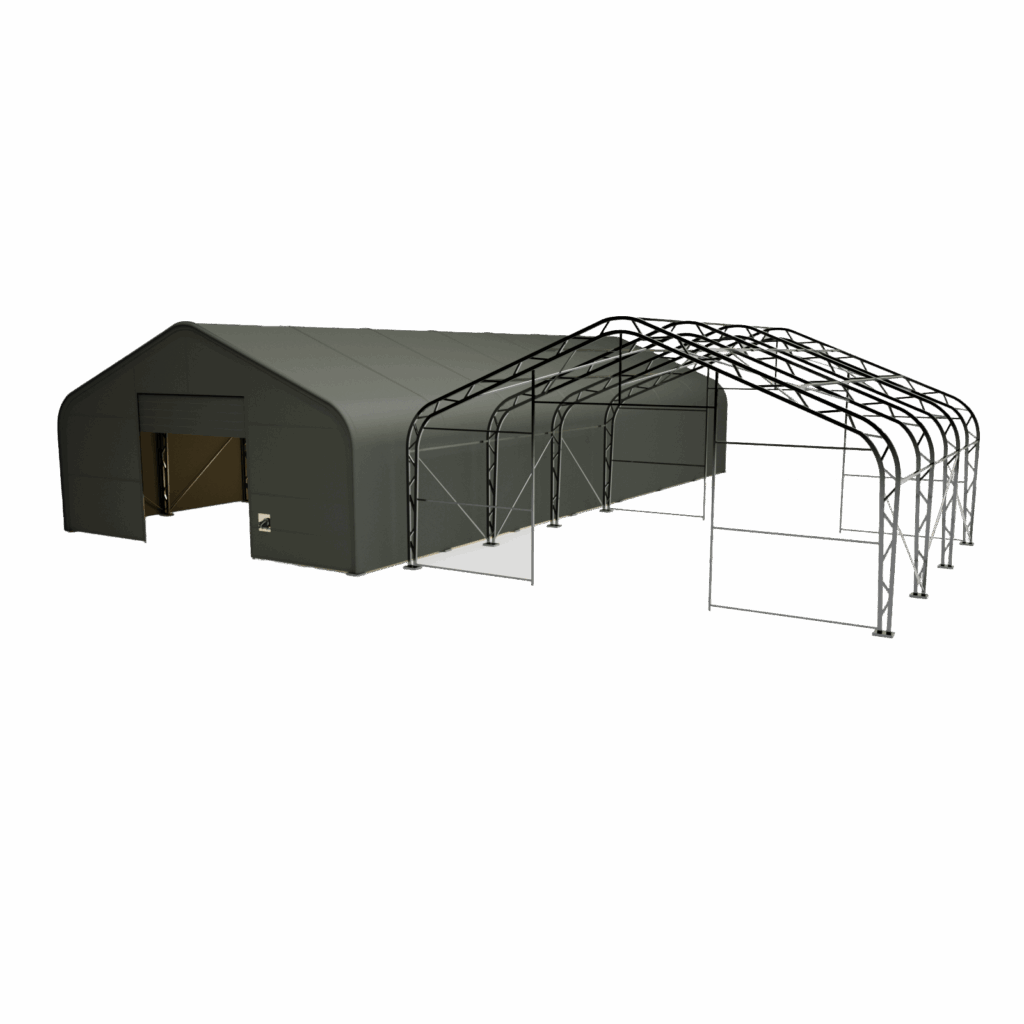
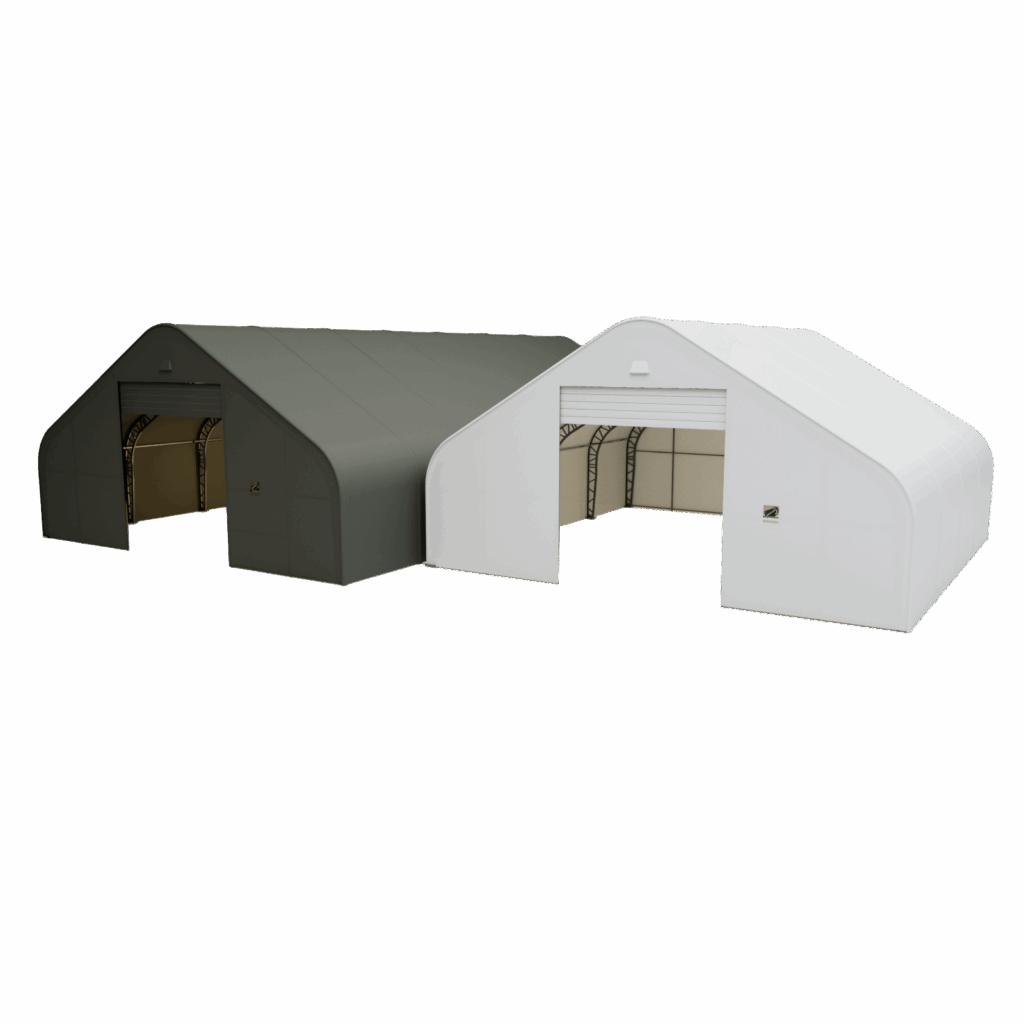
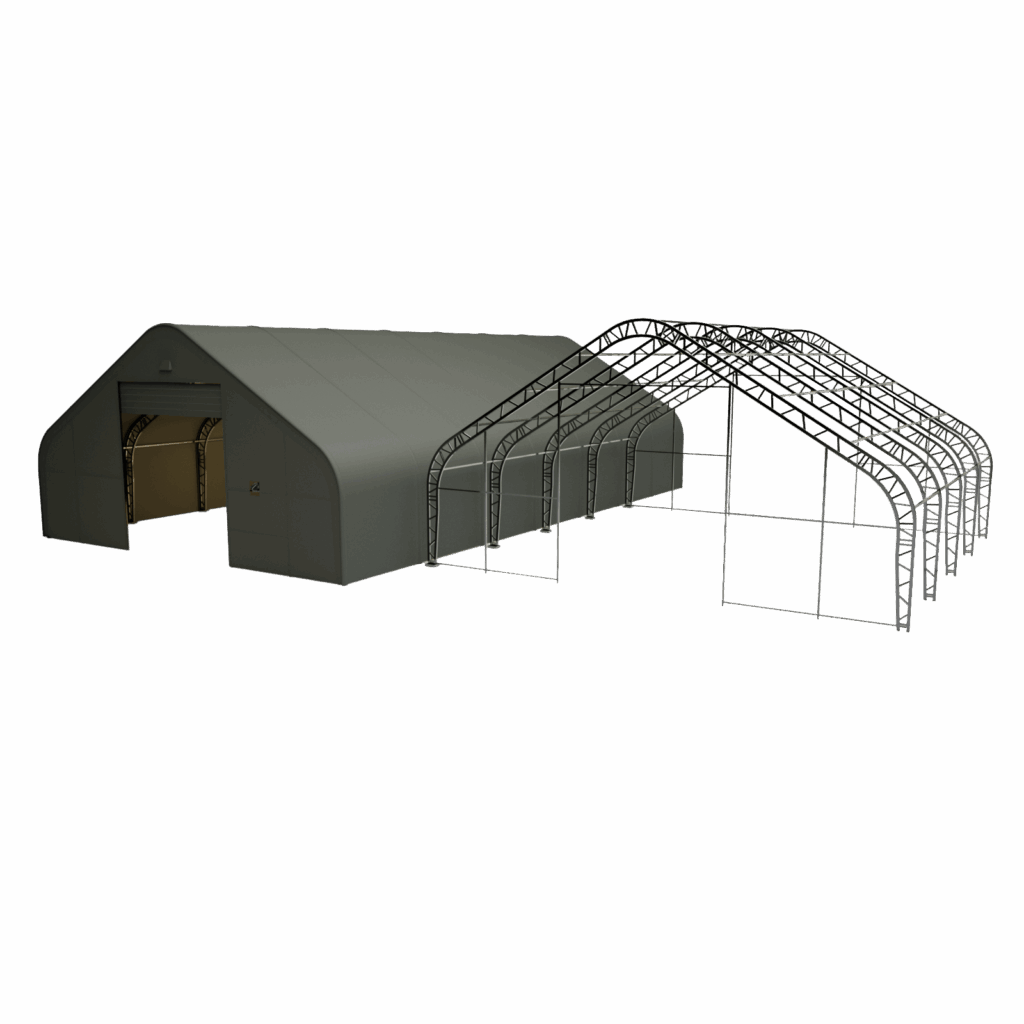
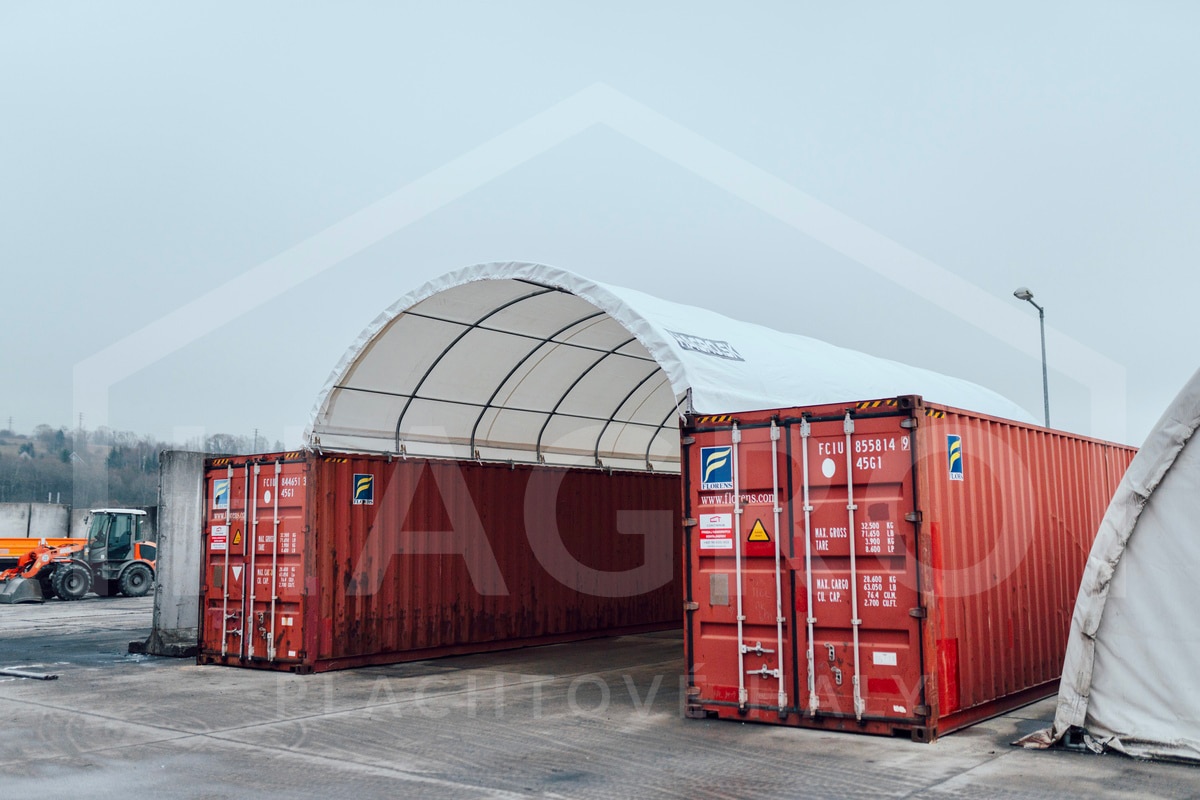
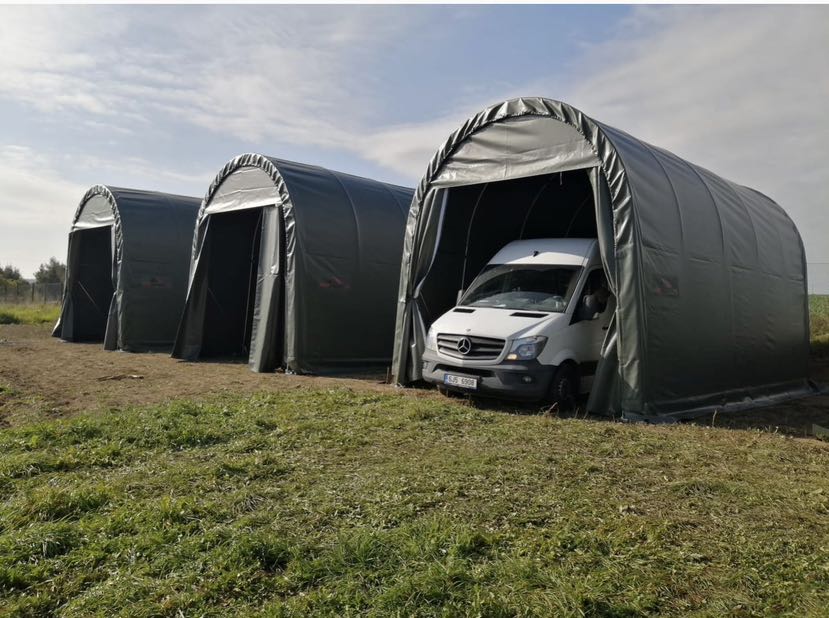
Erection and assembly of tent halls

The erection and assembly of a tent hall does not begin with assembling the steel structure itself, but with thorough preparation of the site and the choice of a suitable anchoring method. A properly prepared, level base is important for the stability of the structure, trouble-free assembly and long-term use of the hall.

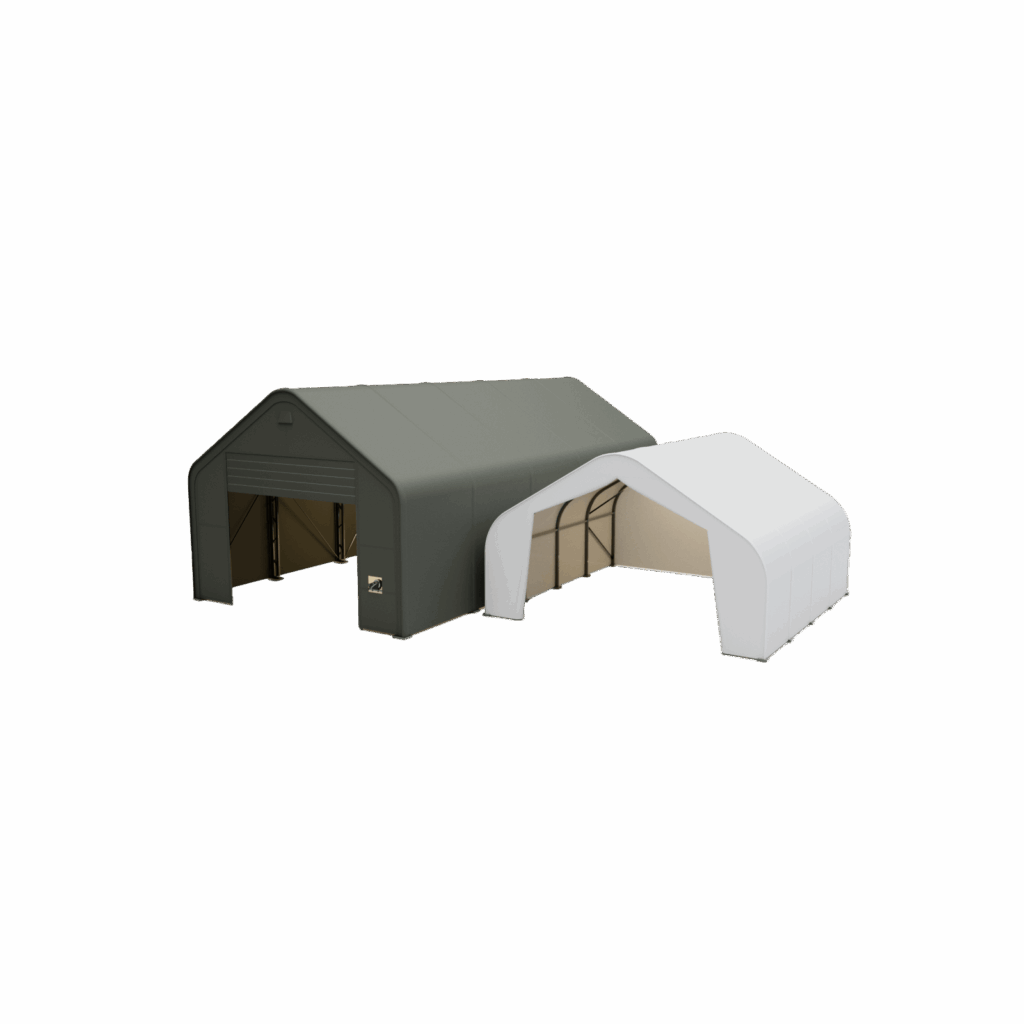
Erecting the hall itself usually takes approximately 1 to 2 days. The exact time depends mainly on the type of hall (straight-walled or arched), dimensions, type of base, site accessibility, readiness of the ground, available equipment and current weather conditions. Smaller prefabricated halls can be built even faster under suitable conditions; for larger or individually designed custom halls, assembly may take longer.

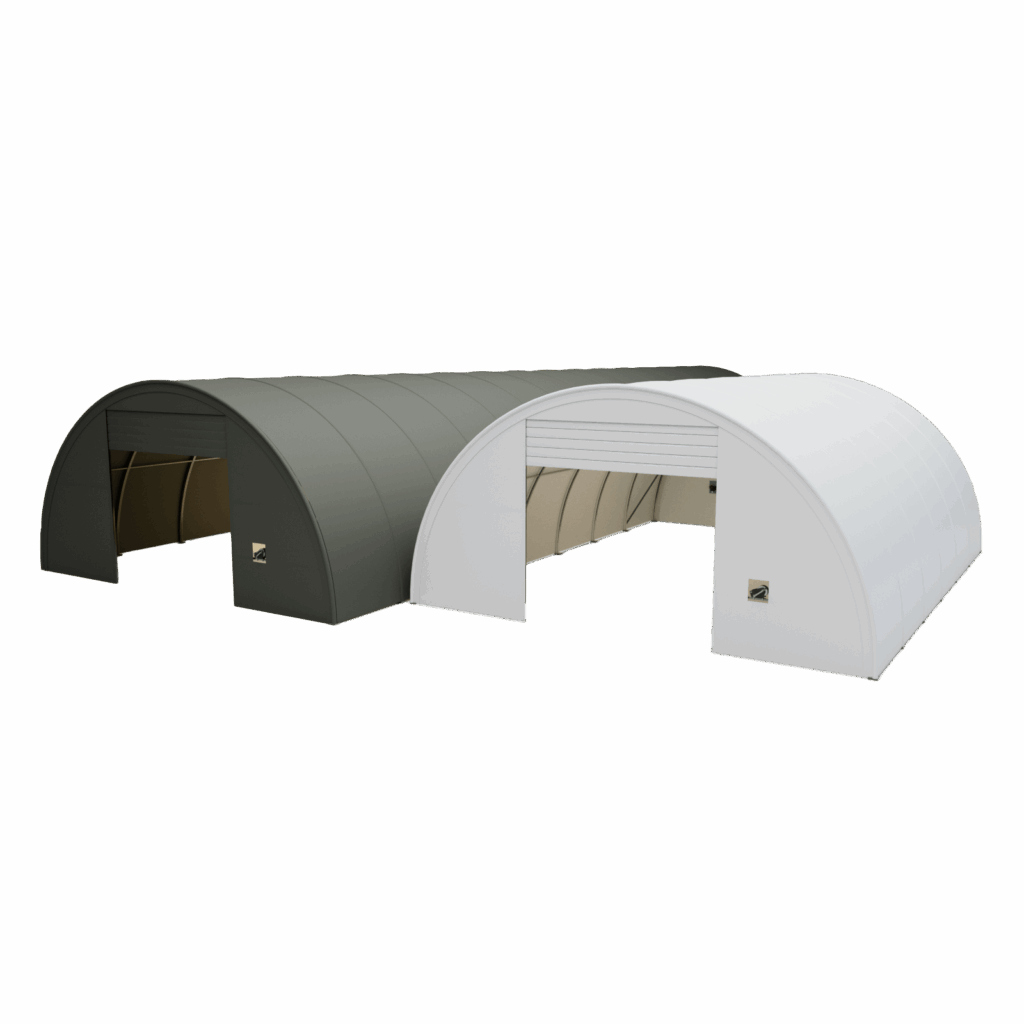
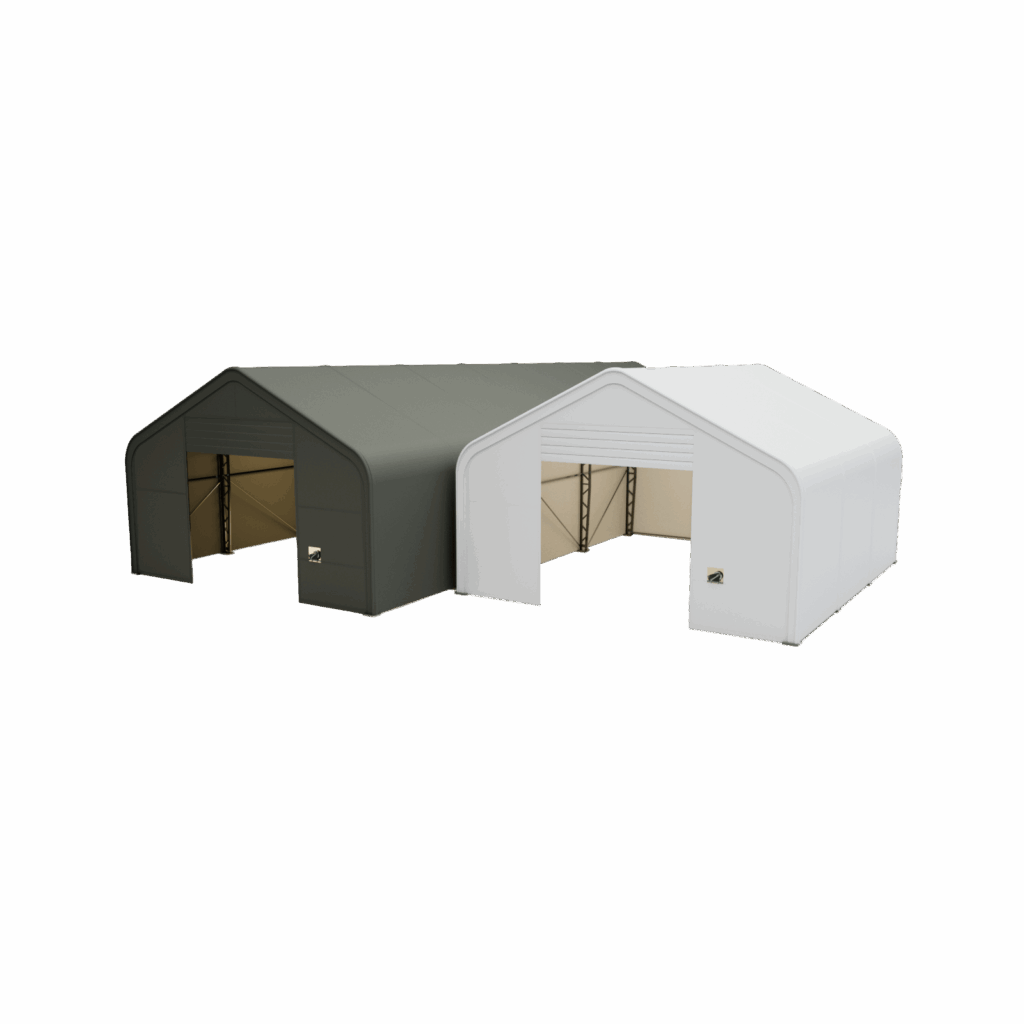
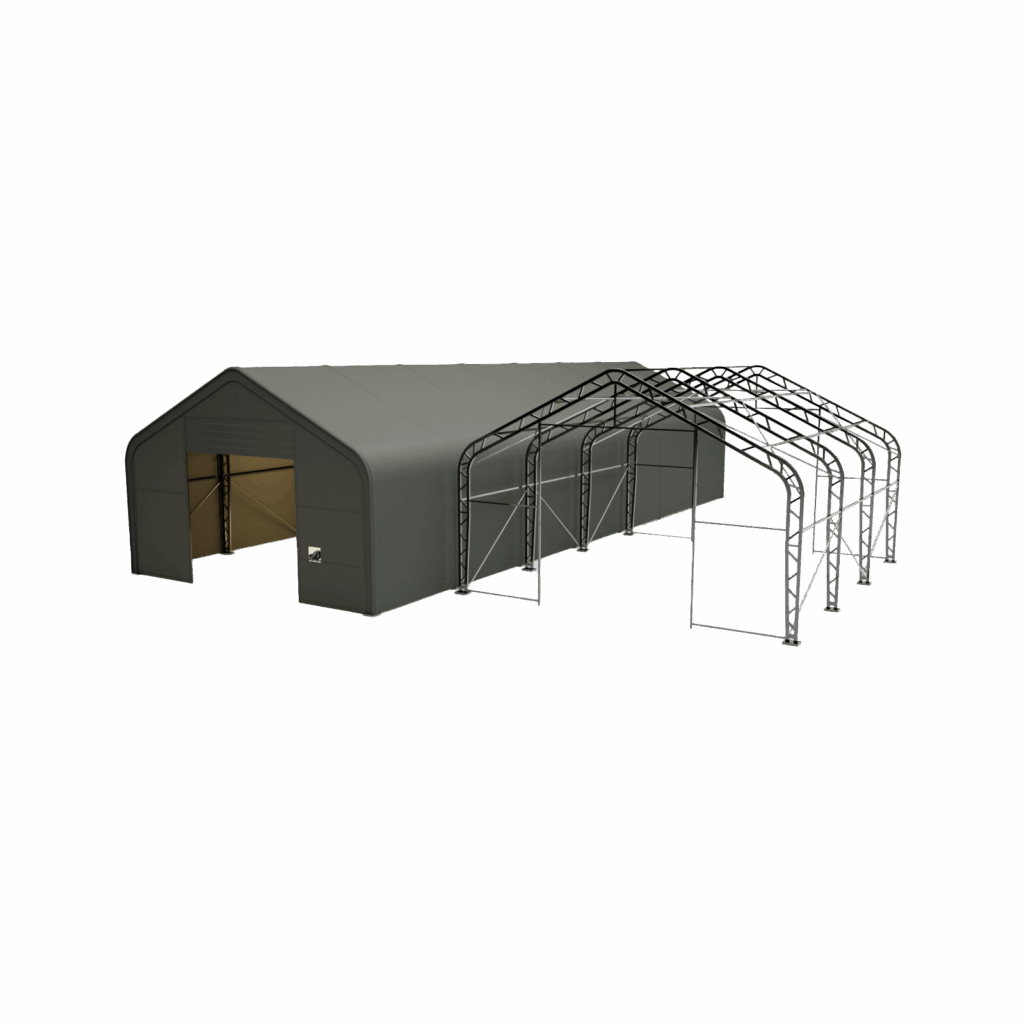
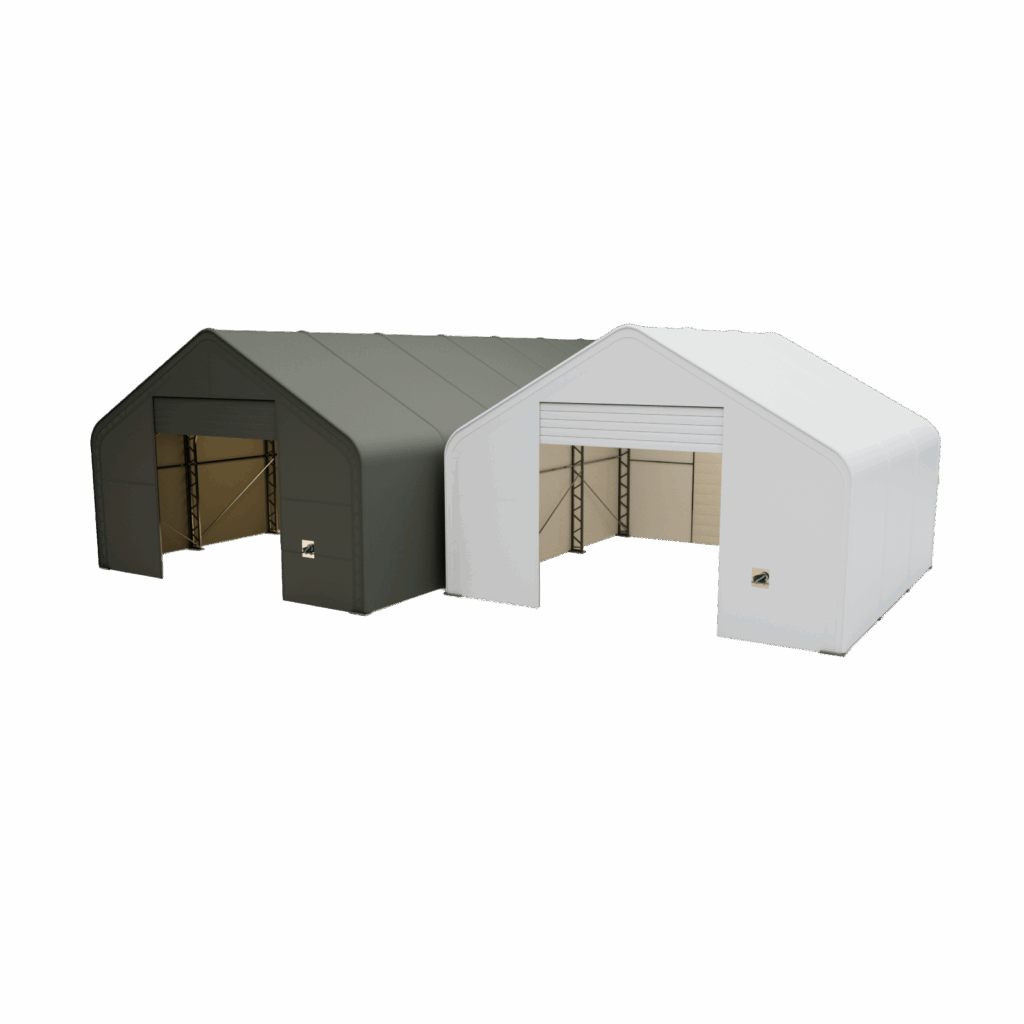
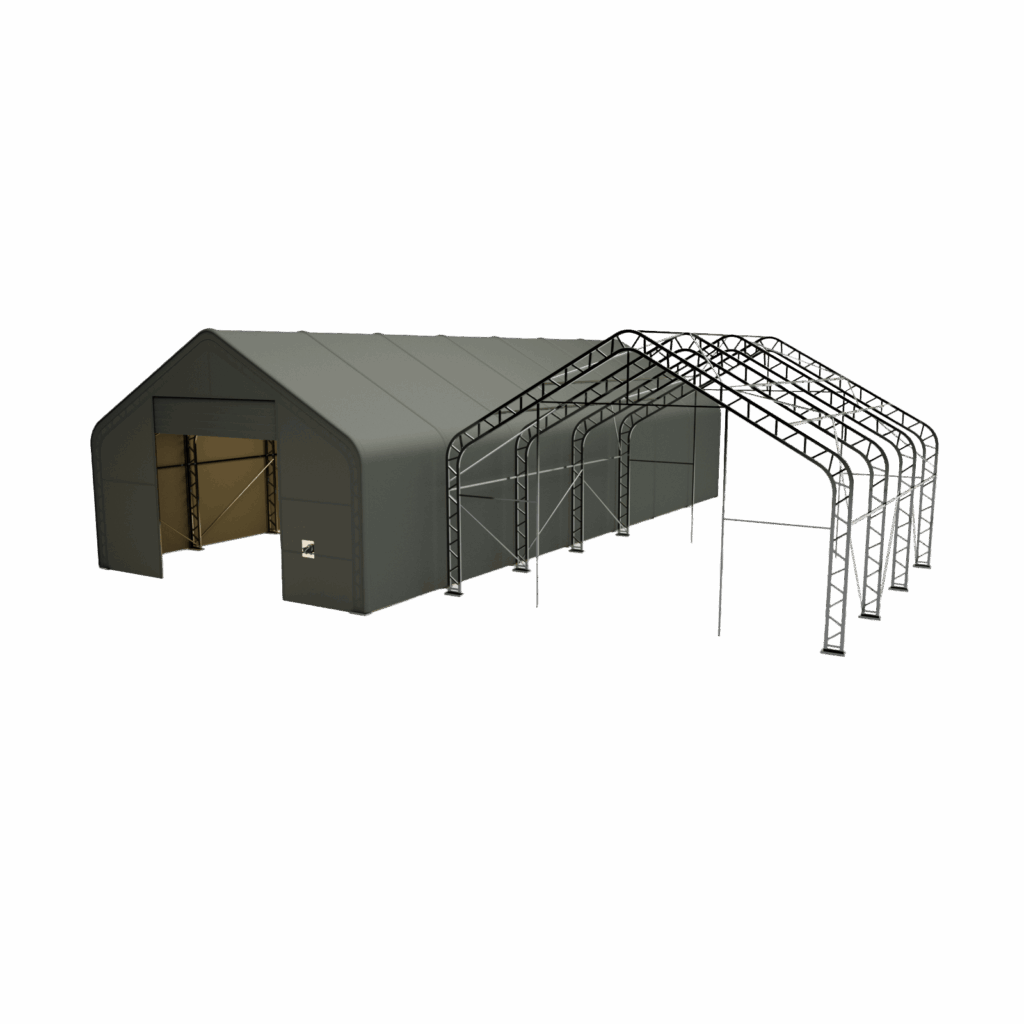
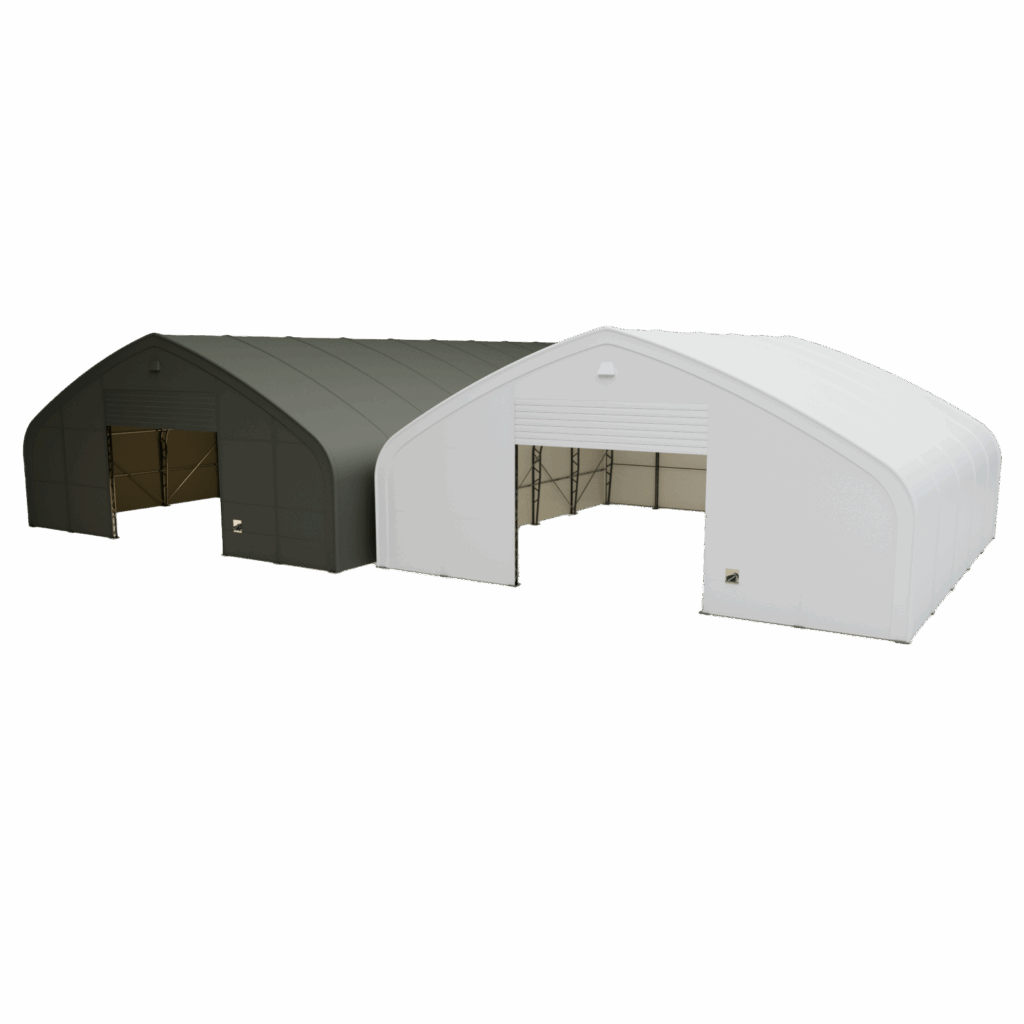
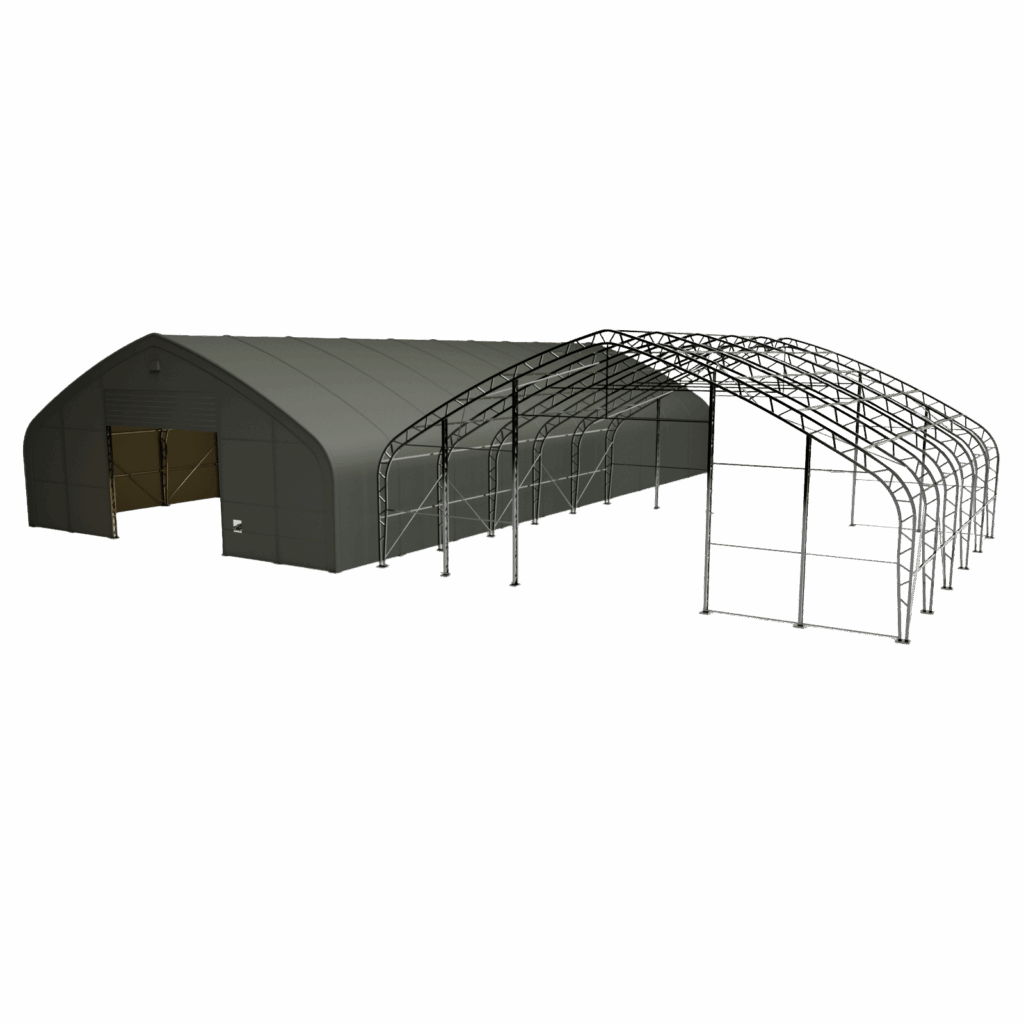
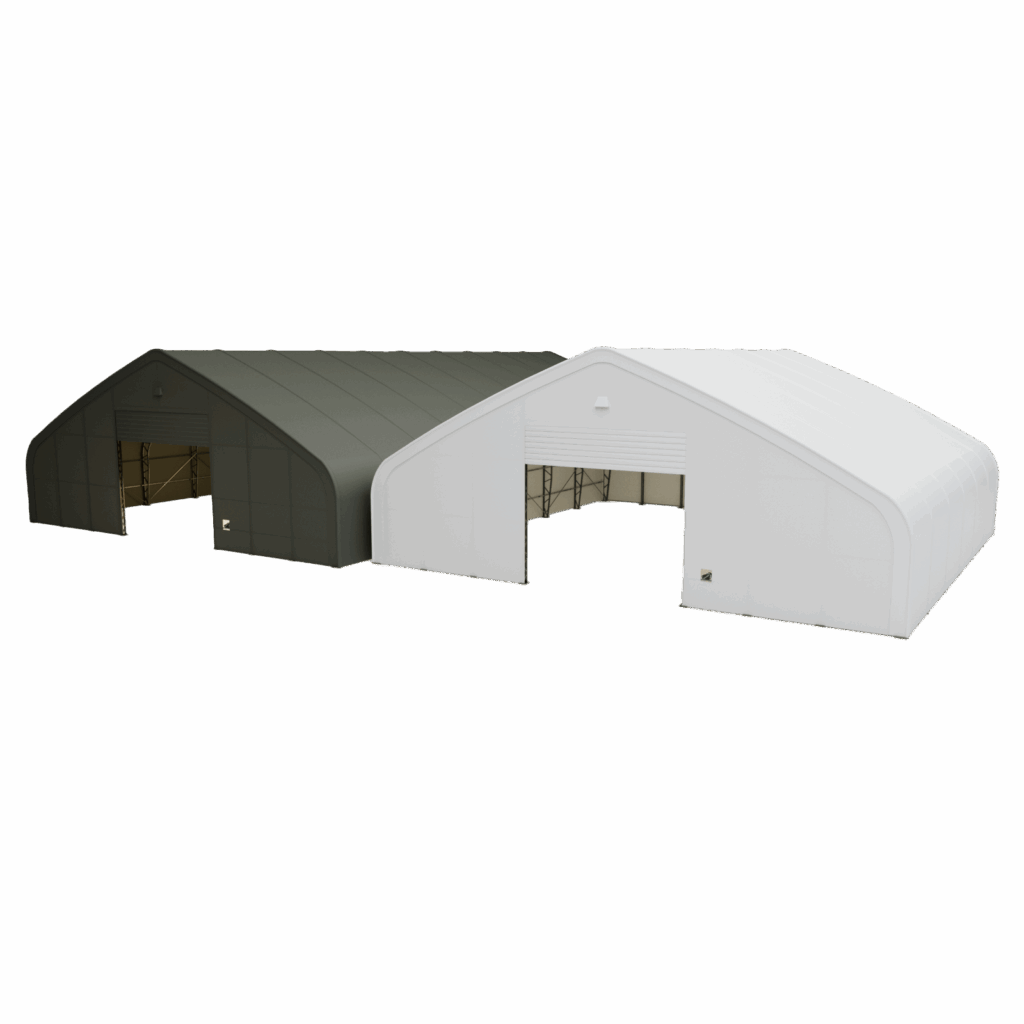
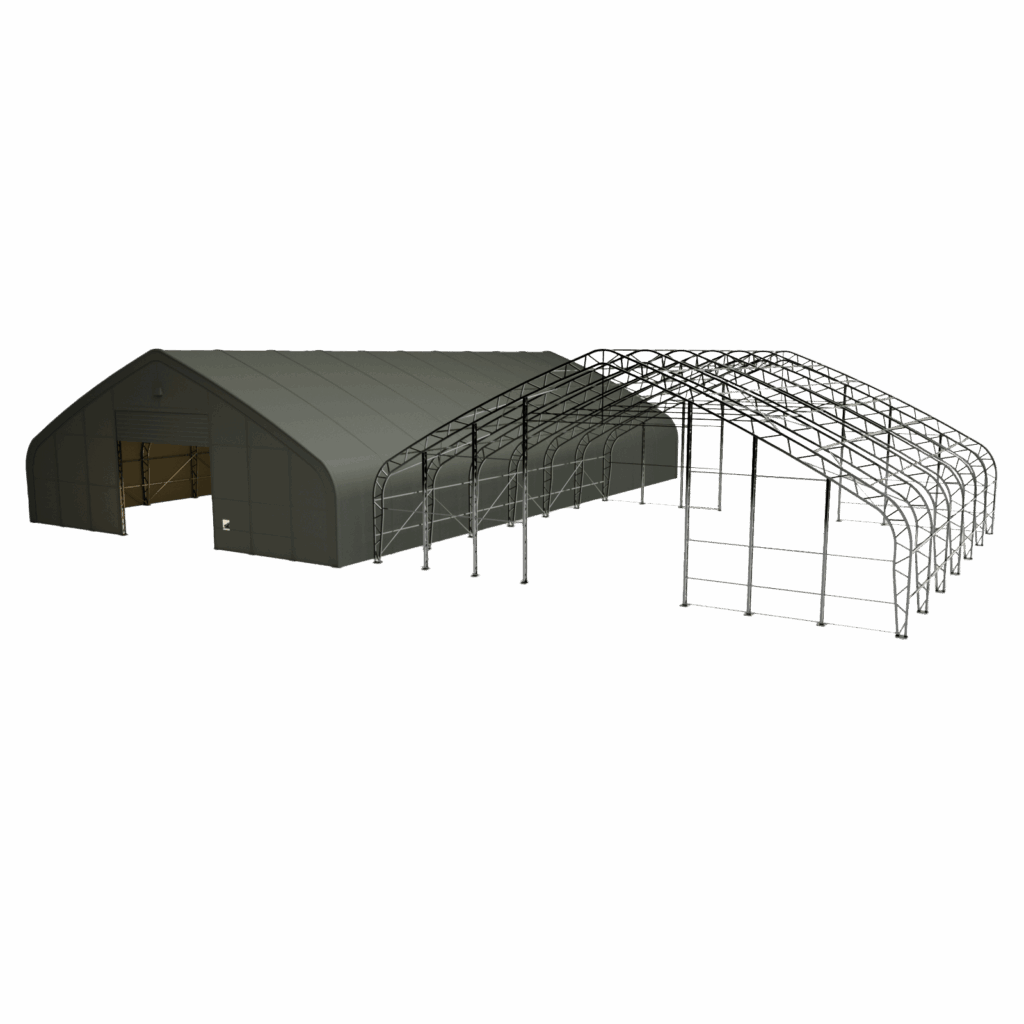
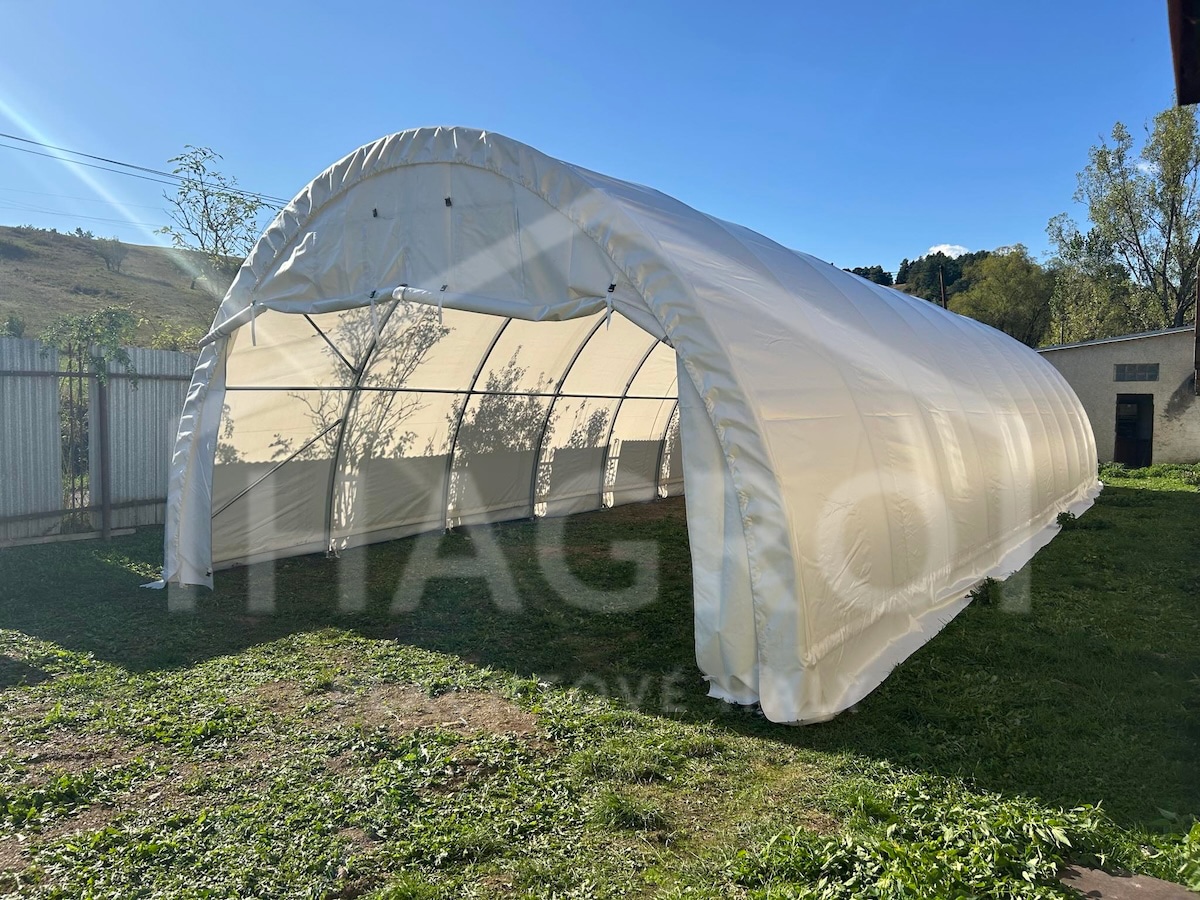
The basis of a tent hall is a solid steel hall structure covered with a durable PVC tarpaulin. Depending on the specific model, the tarpaulin weighs approximately 650 to 900 g/m² and is designed for year-round outdoor use. Such halls can be used as temporary or long-term warehouse halls, production facilities, garages or farm buildings.

Their main advantages include fast hall assembly, the option of dismantling or relocating it, and lower costs compared with building a conventional brick-built structure.

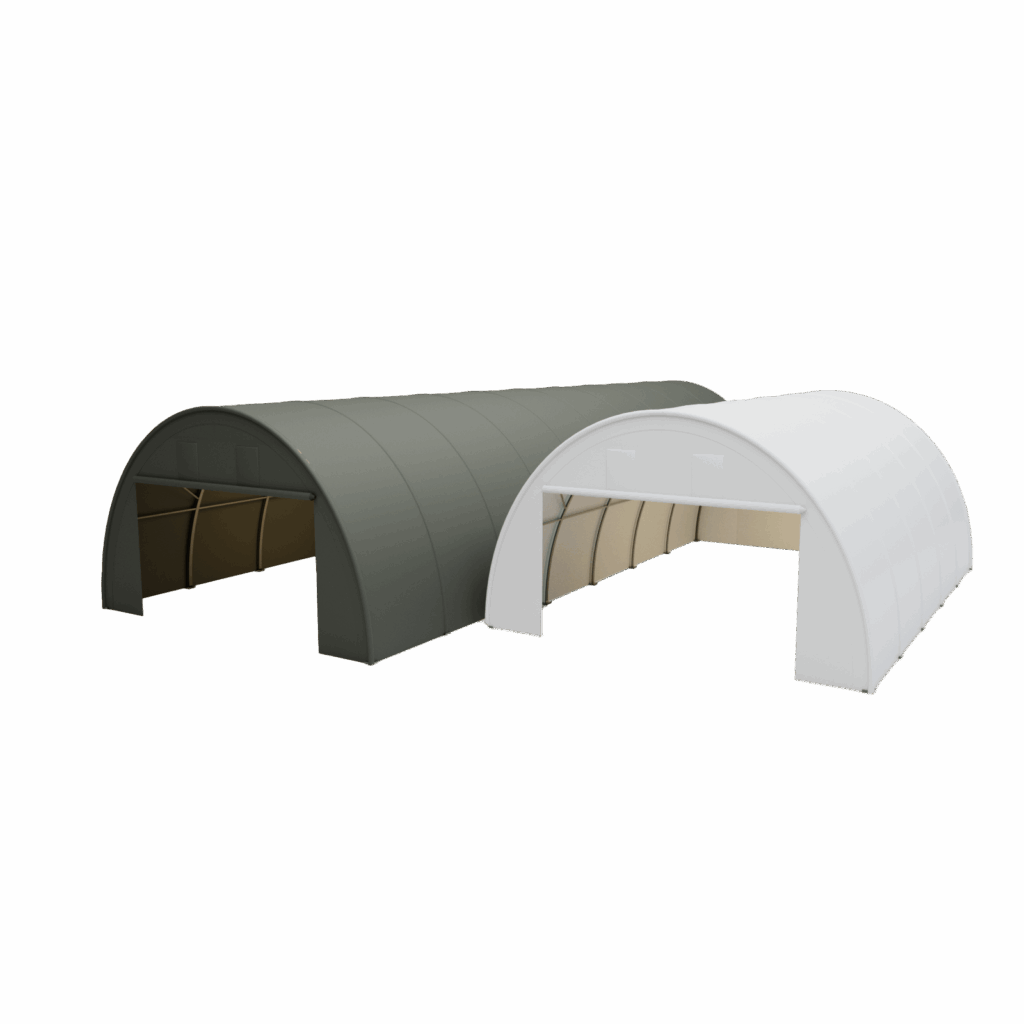
Hall erection – our offer

Hall erection and assembly by HAGRO

We offer hall assembly and erection as an additional service. You can choose from three flexible options so you get a solution that exactly matches your needs:

Self-assembly with telephone support

If you decide to assemble the hall yourself, our technician will be available to you by phone free of charge throughout the process. They will gladly advise you and guide you through the whole process step by step.

Hall erection with professional supervision

The second option is that you provide everything needed yourself – labour, equipment and tools. We supply an experienced assembly foreman who will professionally coordinate the entire hall erection process and ensure it is carried out correctly.

Complete turnkey hall assembly

The most convenient choice is complete turnkey hall assembly, which we handle from A to Z. The price of this service is individual and depends on several factors such as the dimensions of the hall, the type of base, distance and so on. So contact us with all the necessary information and we will prepare a tailor-made quote for the erection and assembly of your hall.

We assemble halls across Slovakia and neighbouring countries. Our team consists of 25 professional assembly technicians with more than 8 years of experience. The delivery date including assembly depends on current capacity. In most cases we can assemble the hall within 10 days of the order.

Self-assembly and erection of a hall – preparation

Before starting to build a hall yourself, the most important thing is to correctly choose and prepare the site where the structure will stand. The assembly area must match the dimensions of the hall and also provide enough space for unloading the components, assembling the arches and the safe movement of workers or lifting equipment.

The ground should be as level as possible. We recommend that the height difference along the length and width of the prepared area does not exceed approximately 5 cm, unless the technician specifies otherwise for the particular installation. The perimeter of the hall must be measured out precisely, and a working area ideally at least 4 metres wide should be left around the planned structure.
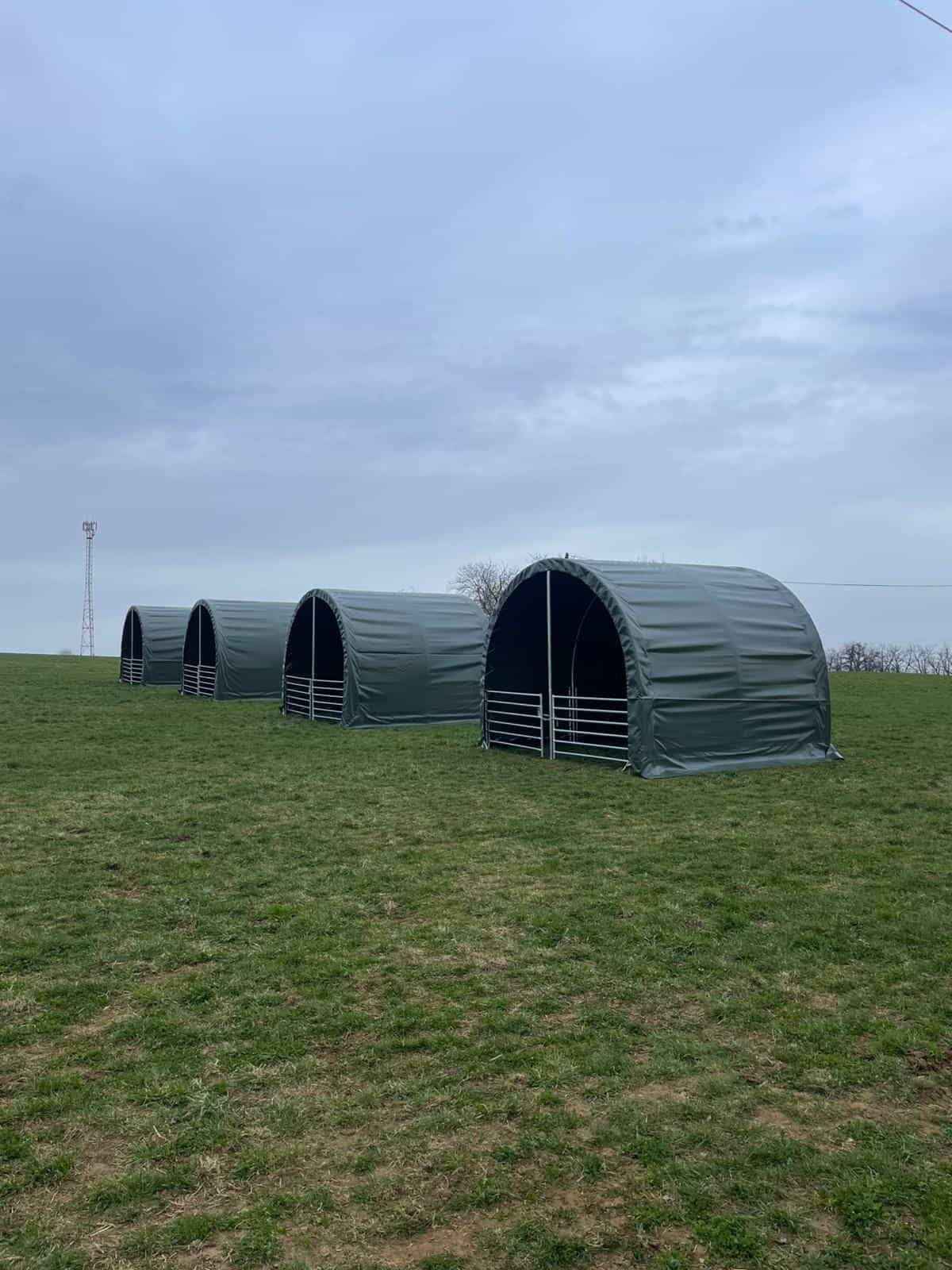
If you are planning to assemble the hall in an open area or in a location exposed to frequent wind, a firm, stable base is the right solution. This could be, for example, a concrete slab, foundation footings or a sufficiently load-bearing asphalt surface. We do not recommend building the hall on waterlogged, loose or unstable soil without first preparing the base and designing suitable anchoring.

Before starting assembly you need to

  • check the dimensions and levelness of the prepared area,
  • verify access for the lorry and assembly equipment,
  • determine the position of the entrances and the orientation of the hall,
  • prepare suitable anchoring elements according to the type of base,
  • check that the delivered components are complete according to the assembly manual,
  • arrange the necessary number of workers, tools and personal protective equipment,
  • monitor the weather forecast for the planned assembly day.

Tools and equipment required

Assembling a tent hall normally requires a tape measure, string, a spirit level or rotary laser, a ladder or work platform, spanners, impact wrenches, a hammer drill, concrete drill bits and anchoring elements chosen according to the base.

For larger structures, a lifting platform or other handling equipment may also be required.

You can find a detailed procedure and further practical recommendations in our article how to build a prefabricated hall. The same attention must be paid to base preparation when assembling smaller structures such as tent garages, tent shelters or shipping container shelters.

Important notice before hall assembly and erection

  • Do not use heating equipment or open flames near the tarpaulin – it could be damaged.
  • If the tarpaulin is damaged or torn, a special PVC patch can be used – applying it promptly minimises future damage.
  • The hall cannot be built on a wet, unstable or unconsolidated surface.
  • If lifting platforms or other motor vehicles are used during hall assembly, it is advisable to ensure adequate ventilation of the hall to prevent the build-up of exhaust fumes and protect workers.
  • In strong wind (over 15 km/h) or other adverse weather conditions, hall assembly is not recommended – the tarpaulin is best installed in the calm morning hours. Bad weather can greatly affect the quality of the hall erection.

Hall assembly and erection – anchoring

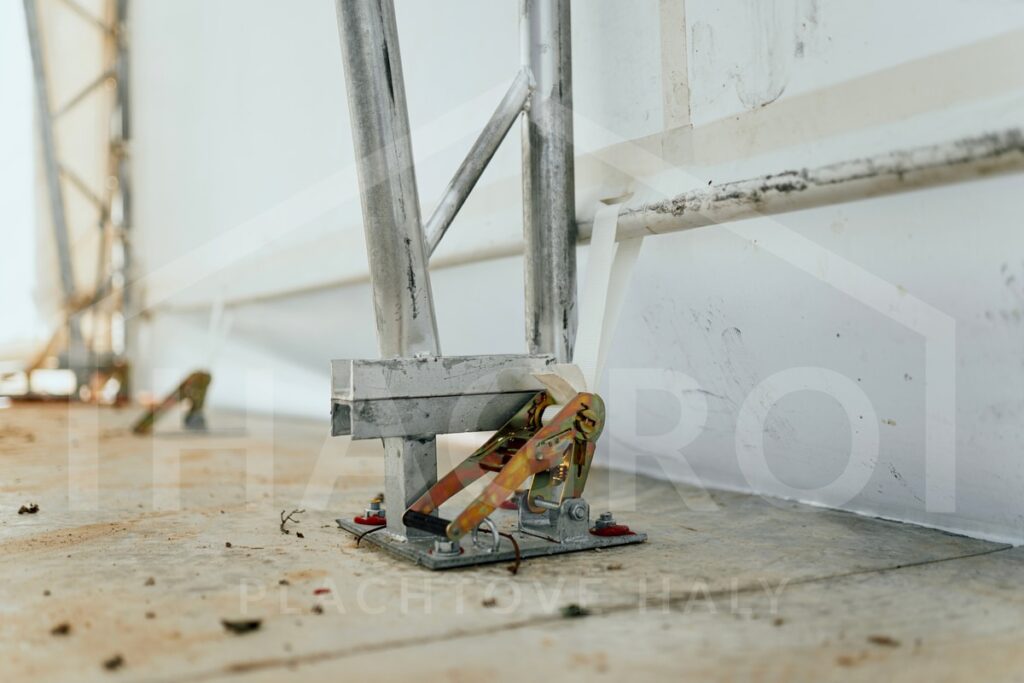
Correct anchoring is the basis for the stability of the entire tent hall structure. The specific method is chosen according to the type and load-bearing capacity of the base, the dimensions of the hall, local conditions and the recommendations in the assembly manual.

  • Firm, stable soil: rebar anchors, ground screws or another anchoring system designed for unpaved surfaces can be used.
  • Concrete slab or foundation footings: mechanical anchors or threaded rods fixed with chemical anchors are suitable.
  • Asphalt or interlocking paving: the anchoring method depends on the thickness of the surface and the load-bearing layer beneath it. Paving alone generally does not provide sufficient support, so anchoring into the base layer or building separate footings may be necessary.

Before the anchors are placed, the floor plan of the hall must be measured out precisely, the diagonals checked and the position of the individual plates marked. Waterlogged, loose or unstable ground must be consolidated before assembly.

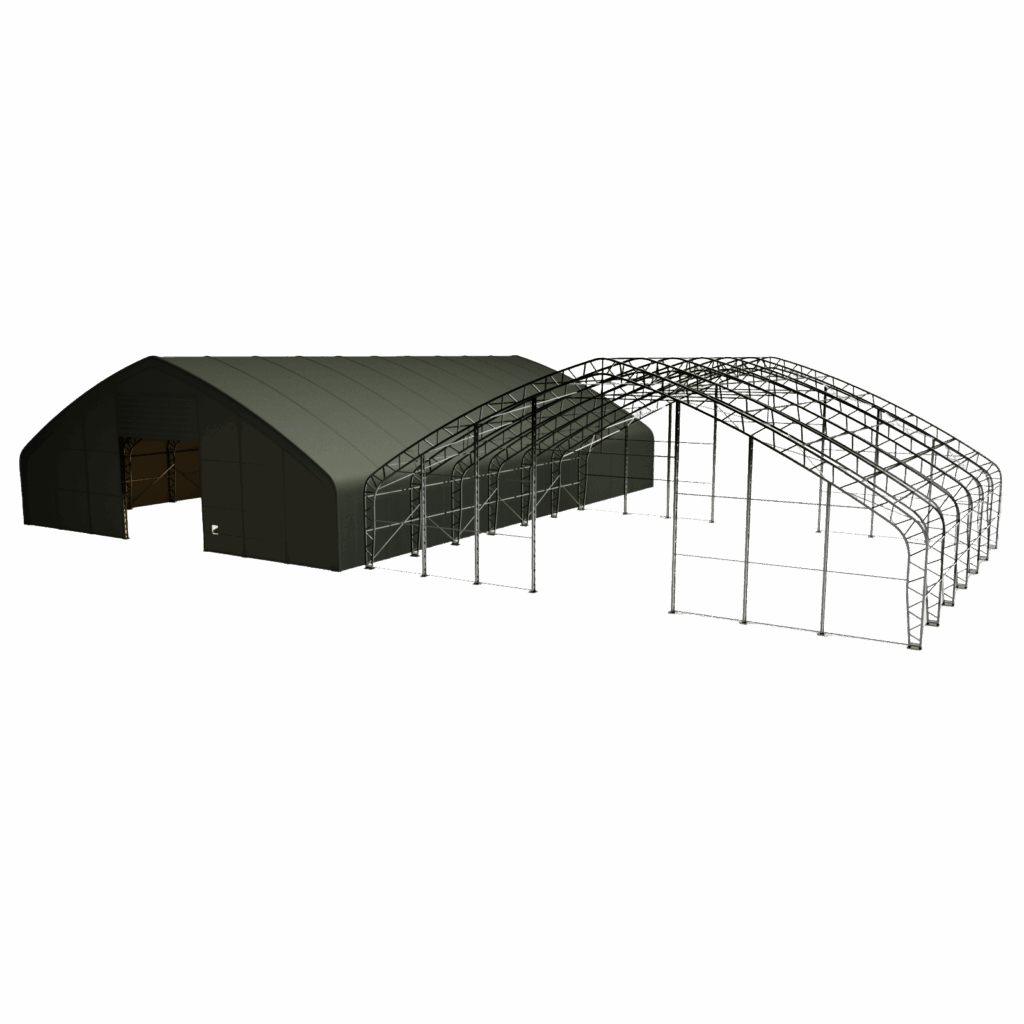
Erecting the hall, arches and load-bearing structure

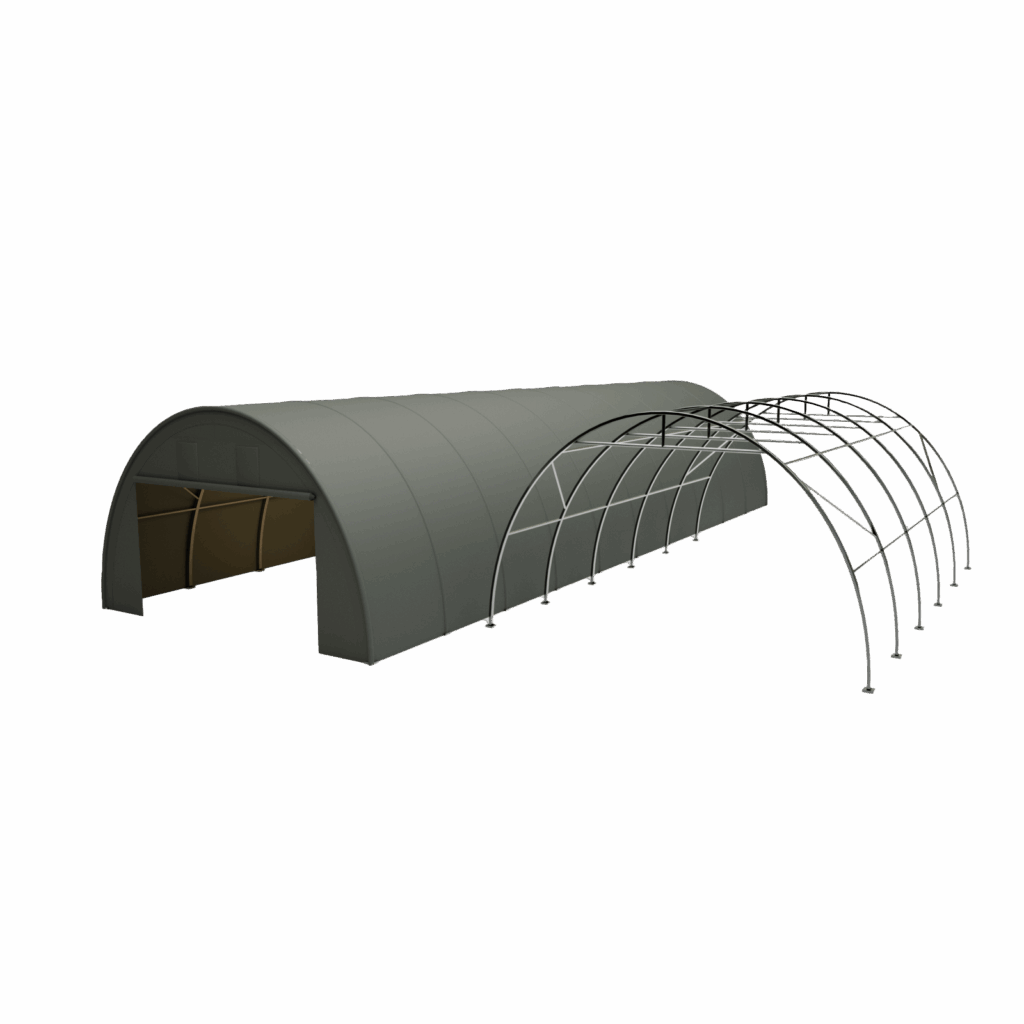
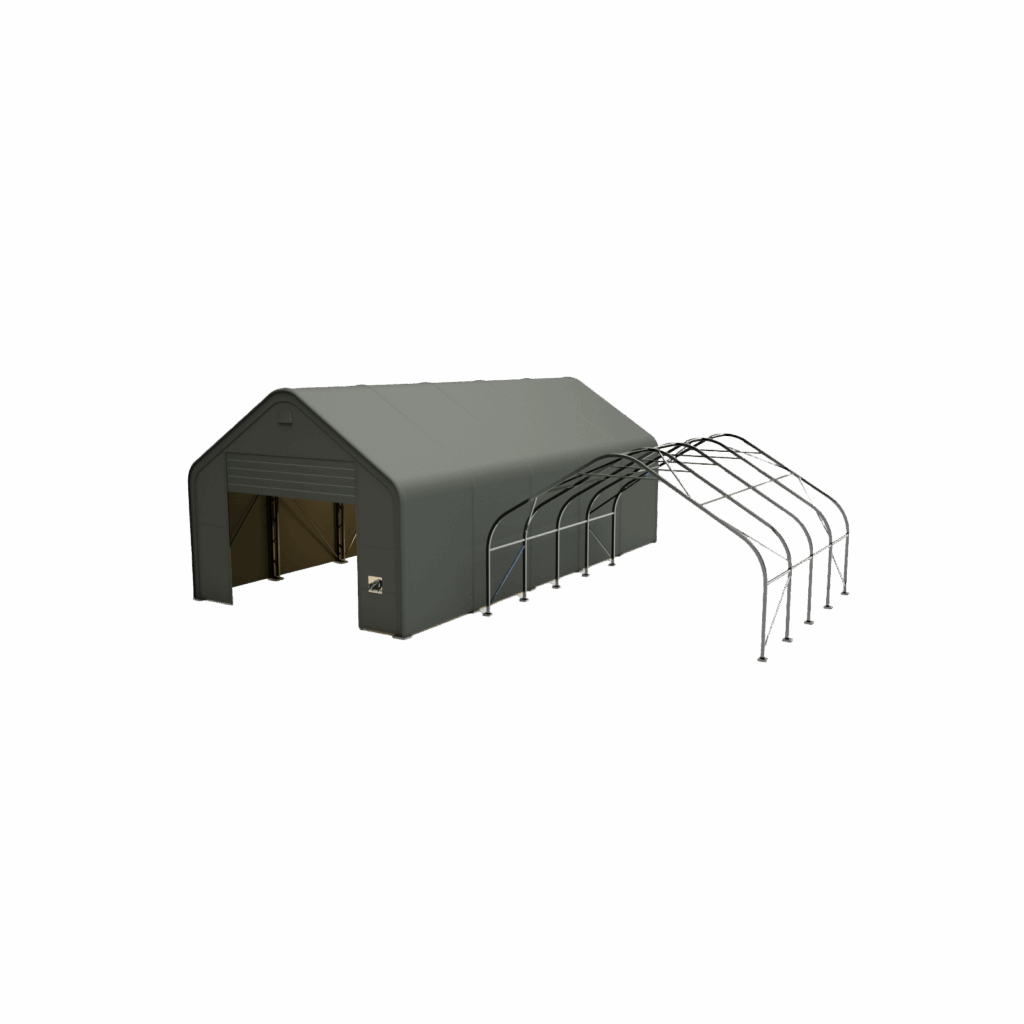
Once the plates have been placed and anchored, the individual arches that form the main load-bearing elements of the hall are assembled. The exact assembly method may differ depending on whether it is an arched hall or a straight-walled hall.

The first assembled arch is set into the prepared plates and secured according to the assembly manual. Once the second arch is in place, the side and roof purlins are fitted between them. These connect the individual parts of the steel hall structure and ensure its strength and stability.

The remaining arches, purlins and bracing elements are fitted in the same way. Before all the joints are finally tightened, the levelness of the structure, its dimensions, diagonals and the correct seating of the individual parts must be checked. You can see examples of finished structures among our completed tent halls.

Hall assembly and erection – fitting the tarpaulin

The final step in hall assembly is fitting the PVC tarpaulin. We recommend installing it in dry weather with minimal wind of up to 15 km/h, as the large area of material can make handling considerably harder even in light gusts.

Before it is pulled over, check the outer and inner sides of the tarpaulin and its correct orientation, and remove any sharp objects from the structure that could damage it. The roof tarpaulin is then pulled evenly over the prepared structure, centred and gradually tensioned on all sides.

The side and end walls are fixed using the supplied ropes, straps or tensioning elements, depending on the model. The tarpaulin must be tensioned evenly so that no waves, slack areas or one-sided stress develop. After assembly is complete, check its fixing around the entire perimeter, and re-check the tension after the first few weeks of use.

Maintenance and care of a prefabricated hall

Tent halls do not require demanding maintenance, but regular inspection helps extend the life of both the tarpaulin and the steel structure. After hall assembly is complete, we recommend checking the tension of the PVC tarpaulin, the condition of the anchoring, the bolted joints, the entrances and any points subject to mechanical stress on an ongoing basis.

It is advisable to check the tarpaulin tension at least twice a year, ideally in spring and before winter. Carry out an additional check after strong winds, storms or heavy snowfall. A loose tarpaulin must be re-tensioned promptly so that no folds or slack areas form in which water or snow could collect.

During winter, regularly monitor the amount of snow on the roof and respect the maximum load stated for the specific model of straight-walled or arched hall. Remove excessive snow safely and without sharp tools that could damage the PVC tarpaulin. When cleaning, also avoid aggressive chemicals, solvents and acid cleaners. Most dirt can be removed with water, a mild detergent and a soft brush.

Regular ventilation of the interior is also important. Excessive humidity and insufficient air circulation can lead to condensation and mould. For long-term storage of moisture-sensitive materials we therefore recommend providing natural ventilation or suitable air handling.

Minor damage to the tarpaulin should be repaired as soon as possible using a suitable PVC patch or professional welding. This prevents the tear from growing and water from entering the hall. You can find more practical recommendations in our article: 7 tips for tent hall maintenance.

If you are looking for a fast, flexible solution instead of a conventional brick-built warehouse, we will provide professional erection and assembly of a tent hall to your requirements. If you have any questions about selection, assembly or subsequent maintenance, do not hesitate to contact us.

Frequently asked questions

Erecting the hall itself usually takes approximately 1 to 2 days. The exact time depends on the dimensions of the structure, the readiness of the base, the available equipment, site accessibility and the weather.

Yes, you can build a smaller tent hall yourself using the supplied assembly manual. During assembly you can use the telephone support of our technician or order professional supervision by an assembly foreman.

Tent halls can be built on concrete, asphalt or a suitably prepared unpaved surface. The base must be level, stable and sufficiently load-bearing. Waterlogged or loose soil must be prepared before assembly.

The anchoring method depends on the base. Ground anchors or screws are used in stable soil, while in concrete the structure can be fixed with mechanical or chemical anchors. The solution for asphalt and interlocking paving is assessed individually according to the load-bearing layer.

Before assembly, the area must be levelled and measured out, and an access road, sufficient working space, the necessary tools and suitable anchoring must be arranged. We also recommend checking all the delivered components against the assembly manual.

We do not recommend fitting the tarpaulin in rain, stronger wind or other adverse conditions. Dry weather and minimal wind make safe handling and even tensioning of the tarpaulin easier.

We recommend a complete inspection at least twice a year, and also after strong winds, storms or heavy snowfall. Check above all the tarpaulin tension, anchoring, bolted joints and any damage.

The assembly price is determined individually according to the dimensions of the hall, the type of base, the anchoring method, site accessibility and transport distance. For an exact calculation, contact us and we will prepare a quote.

Hall delivery and erection

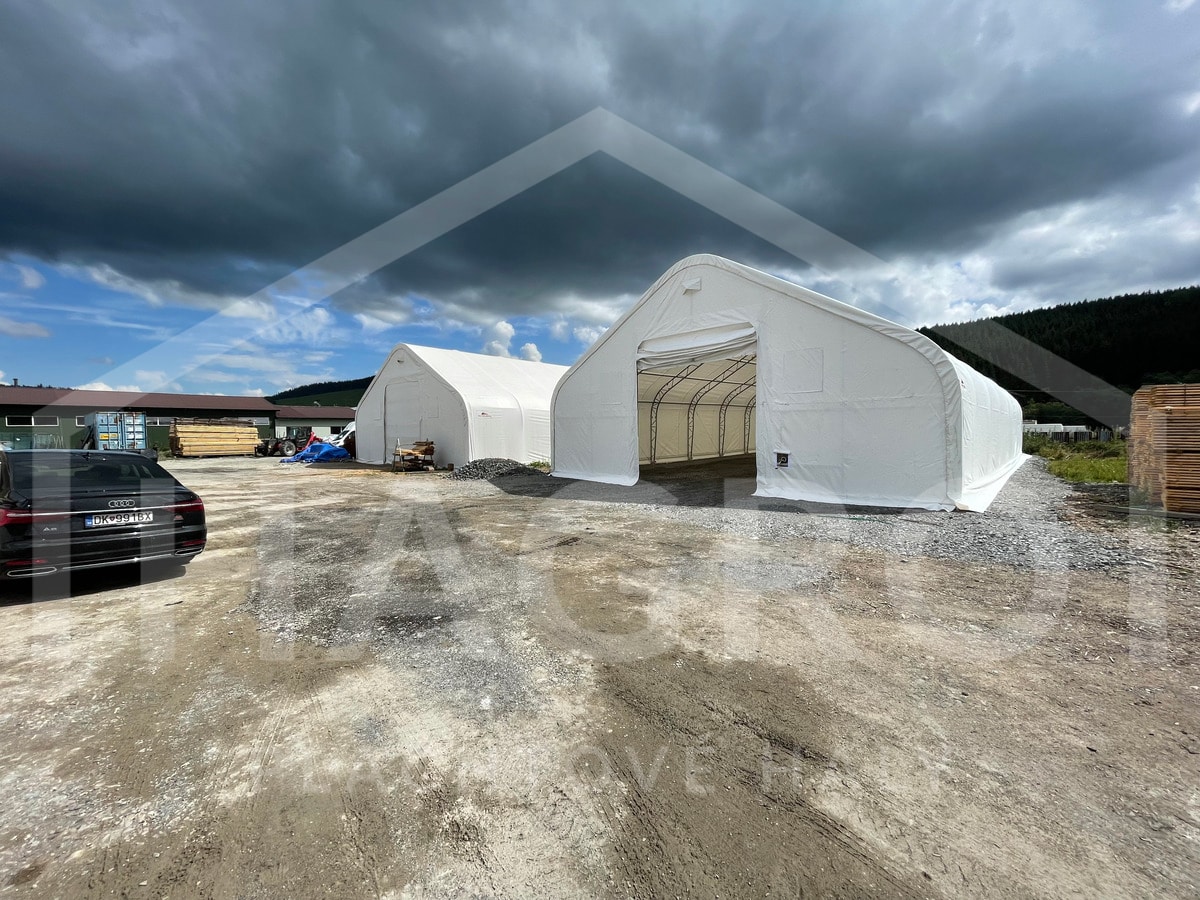
In addition to sales, we also provide complete hall assembly and erection. Below you can see our successful hall erections and installations.

Realizácia prístrešku pre zvieratá a seno Hagro
Need help? Write to us