




Veterans: How to winterize them properly?
|
Veterans are not just ordinary cars, especially for lovers of historic vehicles who devote countless hours of care to them. They are machines with a soul that have their own history and can be considered collector’s items. But what if winter comes and the vehicle has to “rest” for a few months? It is not enough to just find a suitable garage and store it there for a few months, you also need to know how to properly winterize it. It is an essential step for every owner who wants their vehicle to continue to be in perfect condition.
Why is winterizing your vintage car important?
Winter is one of the most challenging times for vintage cars. Low temperatures, humidity, and even the fact that this historic vehicle will stand still for a long time can cause significant damage to it. In some cases, it could even cause irreparable damage to its mechanical and aesthetic parts. For example, corrosion can damage metal parts, the battery can be completely discharged, and the tires can lose their original shape.
In addition, vintage cars are often more sensitive to climatic conditions than modern cars because they are made of materials that require specific care. So if you winterize your vintage car correctly, you will protect its value, extend its lifespan, and also make it easier to start the new season.
What happens if you don’t winterize your vintage car properly?
Corrosion: If the car is not stored properly, for example in a garage, the humidity in the air can cause rust to spread much faster. This corrosion can damage not only the chassis, but also the engine, exhaust system and other metal parts.
Problems with the fuel system: If you leave the tank empty or half-empty, condensation can form in it, which in turn causes corrosion.
Battery damage: An unmaintained battery can lose its capacity and in worse cases, completely fail.
Tires: Long-term pressure on one part of the tire can cause them to deform, which will of course require an investment in new ones.
Interior and exterior: If the car is not protected, UV radiation, dust and moisture can damage the paintwork, upholstery and other finishes. The interior of a vintage car can also become damp during the winter and is therefore more susceptible to mold.
How should you winterize your vintage car?
- Thorough cleaning and waxing: Before you store your vintage car, you shouldwash and wax it as thoroughly as possible. This will protect the paintwork from moisture and dirt.
- Don’t forget the interior: Caring for the interior of a vintage car is just as important as maintaining its exterior. Leather seats, which are often a typical feature of vintage vehicles, require regular cleaning and treatment with special products that will protect them from damage and cracking. Clean the carpets and also make sure that there are no food or dirt residues in the car that could attract pests.
- Engine and fluid maintenance: Change the oil and top it up to full. It is also essential not to neglect replacing the coolant and regularly monitor the condition of the brake fluid. It is also recommended to use special additives for the oil and cooling system, which can improve their properties and extend their service life. Pour fuel with stabilizer into the tank. Filling the tank to the full will prevent condensation. Battery protection: If you do not have the opportunity to recharge the battery regularly, it is recommended to disconnect it and store it in a dry and warm place. This will prevent it from discharging during long months of inactivity. aria-level=”1″>Tire Care: You should focus on the tires, because as we mentioned, they can deform. But what can you do to prevent this from happening? It is recommended to increase their pressure or use stands, which will relieve the pressure on them.
- Covering the vehicle: Ideally, even if you put the car in the garage, you should use abreathable car cover that will protect the car from dust and moisture.
The ideal place to winterize your vintage car
Choosing a place to winterize your vintage car is just as important as the preparation process itself. The best choice is of course a garage, which will ensure dryness and protect the veteran from adverse weather conditions.
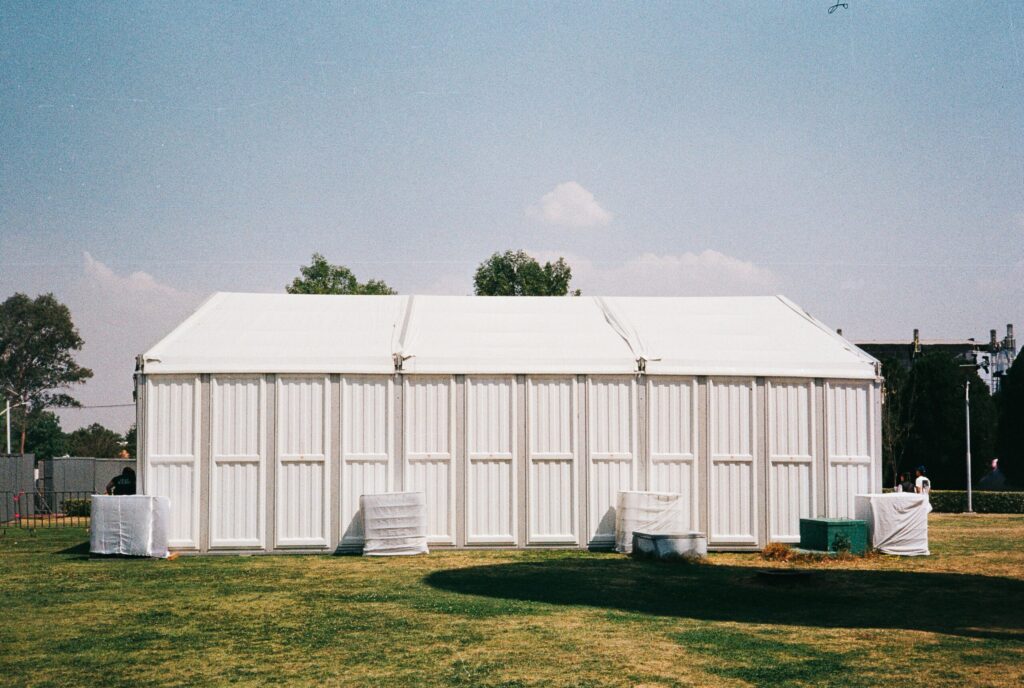
A very popular option and cheaper than garages themselves aretarpaulin halls. Especially for those who do not have the opportunity to winterize their car in a traditional garage. Moderntarpaulin garages offer effective protection from adverse weather conditions, while their installation is quick and easy. They are made of durable materials and can withstand strong winds and snow drifts.
Thanks to proper garage storage, you will ensure that your historic vehicle survives the winter without damage and will be ready for the new season. Therefore, do not forget about all the important steps, such as wheels, fluids, interior and exterior. With thorough preparation, you will extend the life of your vintage vehicle and maintain its value. Remember that the investment in proper winter storage will pay off in the form of many years of driving pleasure.
Other articles

Workshop organization: Workshop, garage organization and tool storage
Workshop organization is a system where…
Read more >>

How to store garlic and onions: Practical tips for longer shelf life
Proper storage of the harvest directly…
Read more >>
Comparison of energy efficiency of sheet metal and canvas halls
Choosing a hall is not an…
Read more >>